

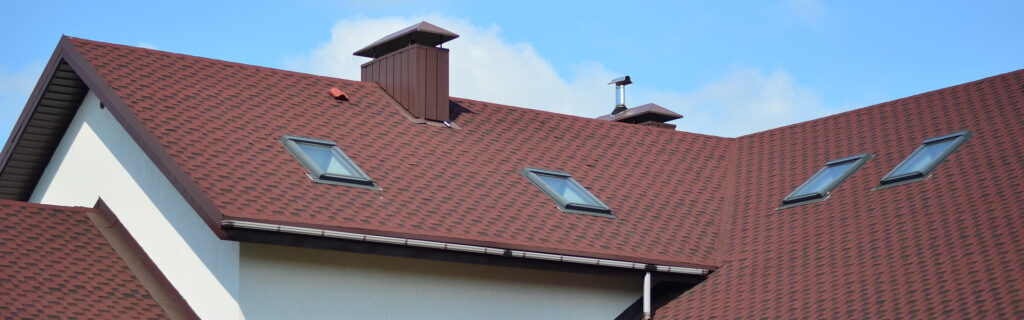
Roof painting is one of the most easy yet effective ways to maintain and improve your home’s exterior. Whether you want to improve curb appeal, add extra protection, or extend the life of your roof, painting can be a beneficial investment. This tutorial explains all you need to know about roof painting, including what it is, why it is important, how it works, and what you should think about before hiring a professional.
What is Roof Painting?
Roof painting is applying a specially formulated roof coating or paint to the surface of your roof. Roof coatings, unlike conventional external paint, are designed to survive severe UV radiation, rain, wind, and changing temperatures. Depending on the type of roof you have (tile, metal, asbestos, or slate), there are certain products that maximise longevity and performance.
Most roof painting projects involve:
Clean the roof
Repairing cracked or damaged tiles.
Applying primer
Apply one or more coats of paint or sealer.
This method improves the beauty of your roof, boosts its durability, and protects your home from the weather.
Benefits of Roof Painting
1. Increases roof lifespan
A high-quality roof coating works as a protection. It protects against UV rays, moisture penetration, and temperature fluctuations. This extra protection can considerably extend the life of your roof.
2. Enhances curb appeal
A freshly painted roof may improve the appearance of your property. Whether you choose a modern charcoal, classic terracotta, or a cool white reflective paint, the appearance improves immediately.
3. Improves energy efficiency
Special reflecting roof coatings prevent heat absorption by your roof. This helps to maintain indoor temperatures and may lower cooling costs—especially in hot climes.
4. Prevents moss, mould, and lichen growth
Professional roof coatings frequently have anti-fungal and anti-mould qualities. This helps to avoid undesired organic development, which can damage tiles and diminish the roof’s performance.
5. Cost-Effective Alternative to Replacement
If your roof is physically intact but appears worn or faded, painting is a considerably less expensive choice than replacing the entire roof. You get both cosmetic and defensive benefits for a fraction of the expense.

Roof Painting Process
Step 1: Inspection and Preparation
A expert starts by evaluating the roof for damaged tiles, rust stains, leaks, and structural difficulties. Any essential repairs are completed prior to painting.
Step 2: Cleaning
A high-pressure wash eliminates dirt, debris, mildew, and flaking paint. Proper cleaning ensures that the paint adheres well and lasts longer.
Step 3: Priming
Primer is required, especially on porous surfaces such as concrete tiles or older metal roofs. It provides strong adherence and resists peeling.
Step 4: Paint or Coat
Roofing paint is applied with airless sprayers or rollers. Typically, two to three coats are applied for long-lasting protection and a smooth, even finish.
Step 5: Final inspection
After the paint has dried, the contractor inspects the roof again to ensure even application and adequate drying.
How Much Does Roof Painting Cost?
The cost varies depending on:
- Roof size
- Roof type: tile, metal, slate, asbestos
- Condition and necessary repairs
- Type of coating used
- Labour costs in your area.
On average, roof painting is much less expensive than replacement. While exact pricing varies by area, the investment often pays off in the long run through increased longevity and decreased maintenance.
Choosing the Right Colour
Choosing the perfect shade is important more than just looks; it is also utilitarian.
Light colours reflect heat, which helps keep your home cooler.
Dark colours can appear sleek and sophisticated, but they may absorb more heat.
Neutral colours such as greys, browns, and whites continue to be preferred for resale.
Always consult the neighbourhood aesthetic guidelines or homeowner organisations if necessary.
DIY vs. Professional Roof Painting
While DIY may appear inexpensive, roof painting is frequently best left to professionals due to:
- Height and safety risks
- The necessity for specialised equipment.
- Understanding of primers, sealants, and coatings.
- Ensure proper waterproofing.
- A professional job assures long-term results while also protecting your home’s structural integrity.
FAQ: Roof Painting
How long does roofing paint last?
A high-quality paint job can last 8-15 years, depending on the environment and roof material.
Can all types of roofs be painted?
Most roofing materials, such as concrete tiles, metal roofs, and slate, can be painted. However, certain roofs (such as highly damaged asbestos roofs) may necessitate specific management or replacement.
Is roofing paint waterproof?
Roof paint is not a waterproofing solution, although when properly placed, many roof coatings provide water resistance or waterproofing.
Does roof painting raise the value of a home?
Yes. A newly painted roof increases curb appeal and indicates proper upkeep, which can boost resale value.
What is the ideal time of year to paint your roof?
Dry, mild weather is ideal—usually in the spring or early autumn—when rain and excessive temperatures are less likely to interfere with the curing procedure.
Conclusion
Roof painting is a low-cost and practical approach to improve your home’s beauty, increase energy efficiency, and preserve your roof from long-term harm. Professional roof painting provides exceptional value, whether you want to improve the aesthetics or extend the life of your current roofing system. A freshly painted roof, with the correct preparation, quality goods, and experienced labour, can substantially improve your home’s functionality and appearance.
Contact Paintcor for more information.
See also:
Enduracoat Floor Paint: Durable Protection for Every Surface