

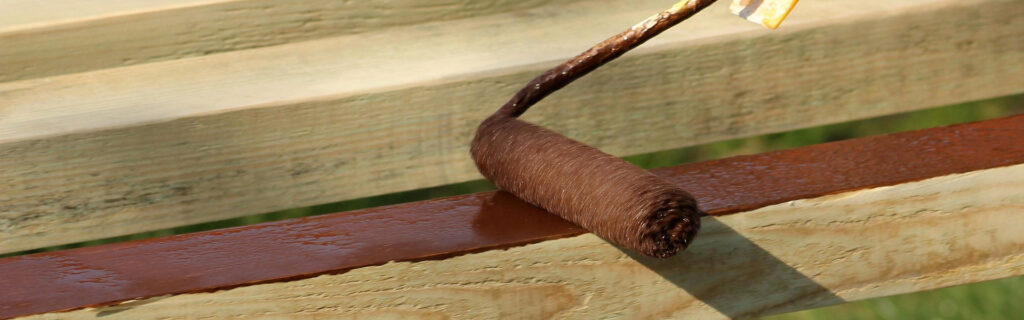
Outdoor wood paint is one of the simplest and most efficient ways to protect external timber surfaces from weather damage while also keeping them looking vibrant and new. Whether you’re refurbishing an old wooden seat, painting a deck railing, or adding colour to a garden shed, using the appropriate outdoor wood paint can dramatically extend the life of your wood. This article delves into the various types of paint available, how to select the best one, and the essential processes for long-lasting results.
Why Does Outdoor Wood Paint Matter?
Exterior timber is exposed to extreme circumstances on a daily basis. UV rays fade colours and weaken fibres, while rain and moisture promote swelling and decay, and temperature fluctuations create cracking. Outdoor wood paint functions as a protective barrier by:
- Sealing the surface to avoid moisture intrusion.
- Blocking UV rays that degrade and discolour wood.
- Reducing mould and mildew growth.
- Enhancing appearance through colour and texture options
- Extending the longevity of furniture, decking, and outdoor structures
Without adequate protection, exterior wood can decay quickly, resulting in costly repairs or replacements.
Outdoor Wood Paint Types
1. Acrylic (Water-Based)
Acrylic paint is the most preferred finish for external wood. It dries rapidly, has a mild odour, and is highly resistant to cracking and peeling. Fences, gates, and siding benefit from its ability to expand and contract in response to weather variations.
Ideal for: general outdoor timber surfaces, sheds, pergolas, and furniture.
2. Oil-based paint
Oil-based exterior paint penetrates deeper into the wood fibres, resulting in a strong, lasting surface. Although it takes longer to dry, it provides higher moisture resistance.
Best for high-traffic areas such as doors and handrails.
3. Wood Stain and Sealer
While not technically paint, outdoor wood stain is a popular choice for achieving a natural wood effect. Stains can be clear, semi-transparent, or solid (like paint), and many have built-in UV and water protection.
Ideal for decks, wood cladding, and natural finishes.
4. Enamel paint
Enamel paint creates a strong and glossy surface. It’s extremely durable and chip-resistant, making it ideal for decorative items and trims.
Ideal for: trim work, outdoor furniture, and accent items.
Choosing the Right Outdoor Wood Paint
When deciding on the best outdoor wood paint for your project, consider the following:
Weather Conditions
In rainy or coastal environments, select paint with high water resistance and mould protection. To reduce fading in sunny places, make sure the paint has UV-blocking chemicals.
Wood Type
Softwoods such as pine absorb paint differently than hardwoods like oak. Some paints are specifically developed for porous woods and provide better coverage.
Desired Finish
Choose whether you want a matte, satin, or glossy finish. Gloss is easier to clean, although matte and satin provide a more natural look.
Easy to apply
Water-based paints are easy to use, dry rapidly, and can be cleaned with soap and water. Oil-based paints are more durable, but they must be cleaned with mineral spirits.
How to Prepare Wood for Outdoor Painting?
Proper preparation is required for a durable finish. Take these steps:
1. Clean the surface
Use a brush and a light detergent to remove dirt, dust, and mould. Let the wood dry completely.
2. Sand the wood
Sand lightly to remove any rough patches and flaking paint. This allows the new paint to adhere better.
3. Repair the damage
Fill cracks or holes with outdoor wood filler and sand smooth after drying.
4. Prime the wood
Use an exterior primer that is appropriate for the sort of paint you are using. Primer ensures a consistent finish and boosts durability.
5. Apply the paint
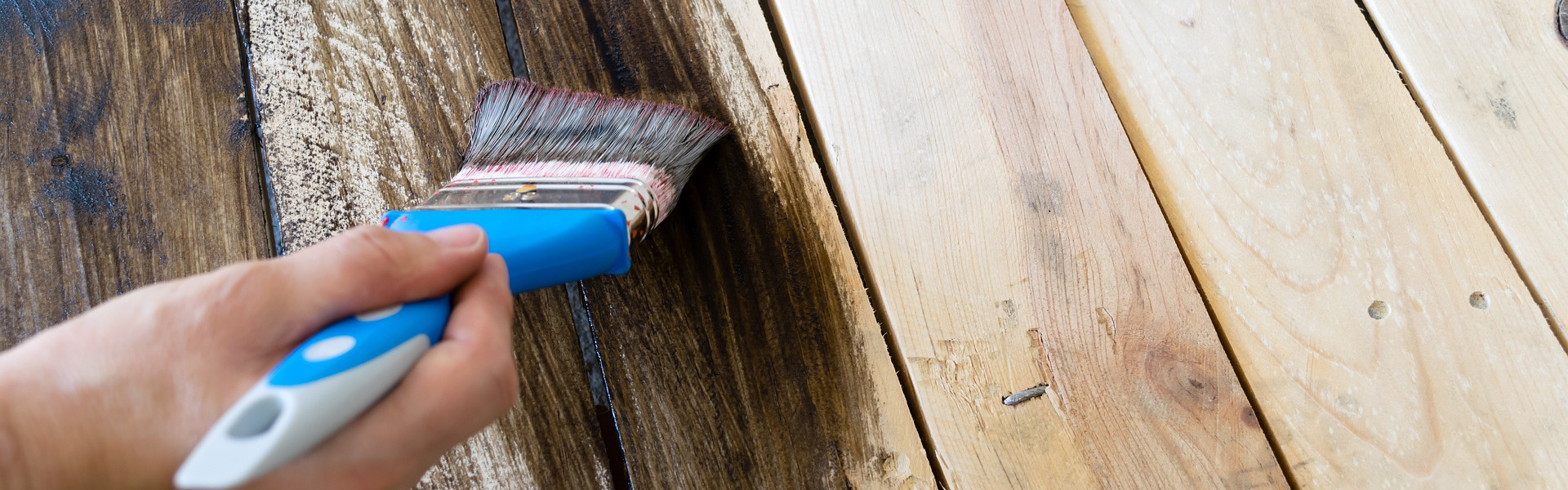
Use a brush for corners and a roller for larger surfaces. For the greatest results, apply two coats of paint, allowing each coat to dry completely.
Maintenance Instructions for Painted Outdoor Wood
Inspect annually for peeling or cracking.
Clean surfaces on a regular basis to prevent mould growth.
Touch up minor portions before the harm spreads.
Repaint every 2–5 years, depending on the conditions and paint quality.
This periodic upkeep will keep your wood preserved and visually beautiful for many years.
Frequently asked questions (FAQs)
1. How long will outdoor wood paint last?
Outdoor wood paint has a lifespan of 2 to 5 years, depending on quality and exposure.
2. Can I paint over old exterior paint?
Yes, however if the previous paint is peeling or damaged, the surface should be cleaned, sanded, and primed.
3. Do I need to use a primer for outdoor wood paint?
Priming is strongly recommended since it improves adhesion, colour, and general durability.
4. Which paint is ideal for wet climates?
In wet conditions, oil-based or high-quality acrylic paints with mould-resistant ingredients are most effective.
5. Can I use indoor paint outside?
No, indoor paint is not meant to tolerate UV radiation, moisture, or temperature changes.
Conclusion
Outdoor wood paint is a critical component in maintaining and protecting external woodwork. Choosing the right type, properly preparing the surface, and using proper application procedures will significantly boost the longevity and beauty of your wooden constructions. With proper care, painted outdoor wood may stay vivid, weather-resistant, and sturdy for many years. Whether you’re restoring antique furniture or safeguarding a newly built deck, the correct outdoor wood paint offers long-lasting, eye-catching results.
Contact Paintcor for more information.
See also: