

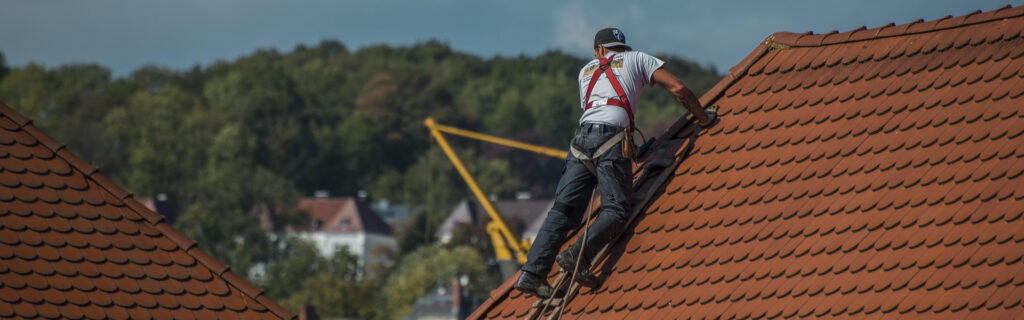
Roof paint is more than a decorative finish. It is critical for protecting your property from the elements, extending the life of your roof, and increasing energy efficiency. Whether you have a tile, metal, or asbestos roof, selecting the right paint and applying it correctly will significantly improve its beauty and durability. This article includes all you need to know about roof paint, including its benefits, types, application tips, and the most often asked questions by homeowners.
What is Roof Paint?
Roof paint is a specifically developed coating that protects roofing materials from UV radiation, water, mildew, corrosion, and abrasion. Roof paint, unlike most exterior paints, comprises strong binders, weather-proofing chemicals, and reflective qualities to endure harsh external conditions. Roof paints are often elastic, meaning they may expand and compress with temperature fluctuations without cracking.
Benefits of Using Roof Paint
1. Longer Roof Lifespan
Roof coatings protect your roof from rain, sun, wind, and debris. A properly applied roof paint layer can prevent premature deterioration and extend the life of your roofing material.
2. Improved waterproofing
Many modern roof coatings include waterproof or water-resistant layers to protect porous surfaces such as concrete tiles, slate, and old asbestos sheets.
3. Energy efficiency
Reflective or “cool roof” paints reflect solar heat, lowering indoor temperatures and saving energy consumption—particularly useful in sunny regions like South Africa.
4. Improved aesthetic appeal
Roof paint instantly improves the appearance of a home. A fresh coat can make faded tiles or corroded metal sheets appear brand new.
5. Protection against rust and corrosion
Anti-corrosive roof paints, which contain rust inhibitors, are especially beneficial for metal roofs since they lengthen the life of steel or zinc sheets.
Types of Roof Paint
Acrylic Roof Paint
Acrylic paint is a popular choice due to its high UV resistance, flexibility, and strong adhesion to most surfaces. It’s compatible with tile, metal, and asbestos roofs.
Elastomeric Roof Coatings
These coatings form a thick, rubbery membrane that provides excellent waterproofing. They are perfect for flat or leak-prone roofs.
Bitumen Roof Paint
Bitumen-based paints are mostly used for flat roofs, metal surfaces, and waterproofing repairs. They are highly water resistant, but are typically black and not very reflective.
Polyurethane roof coatings
Polyurethane paints are known for their exceptional durability and chemical resistance, making them ideal for use on metal roofing and commercial structures.
Heat-Reflecting Roof Paint
These paints, made with reflecting pigments, reduce heat absorption and are good for increasing energy efficiency.

How to Select the Right Roof Paint
1. Consider your roof material.
Tile roofs require flexible acrylic paint, whereas metal roofs require rust-resistant coatings. Always match the paint to your roof type.
2. Evaluate climate conditions.
Consider reflective coatings in high-temperature locations. In high-rainfall areas, elastomeric waterproofing coatings may be most effective.
3. Check UV resistance.
High UV exposure can quickly degrade paint. To achieve long-lasting results, use a UV-stable substance.
4. Choose the Right Colour
Light hues are more energy-efficient because of their higher reflection. Popular options include white, light grey, and soft beige.
5. Evaluate the longevity and warranty.
Premium roof paint companies frequently provide warranties ranging from 5 to 15 years. While cheaper alternatives exist, they may necessitate more frequent repainting.
Roof Paint Application Tips
1. Thoroughly clean the roof.
Remove dirt, moss, fungi, and any peeling paint. Pressure washing is quite effective.
2. Repair any damage.
Before painting, repair any fractures, replace damaged tiles, and remove any rust from metal sheets.
3. Use Primer Where Necessary.
Metal, porous, or previously unpainted surfaces frequently require a primer for proper adherence.
4. Use multiple coats.
Two to three coats of roof paint often give the finest coverage and longevity.
5. Follow Ideal Weather Conditions.
Paint on dry days with mild temps. Avoid painting in excessive heat or right before rain.
Frequently Asked Questions (FAQ)
1. How long does roofing paint last?
High-quality roof paint can endure for 5 to 15 years, depending on the climate, product quality, and application.
2. Can you paint an ancient roof?
Yes, if it has been cleaned and mended first. Loose paint, mildew, and damaged areas must be addressed before applying a new coat.
3. Is the roof paint waterproof?
Some roof coatings are waterproof, while others are simply water resistant. Elastomeric and bituminous paints offer the highest level of waterproofness.
4. Can roof paint reduce heat?
Yes. Reflective or cool roof coatings can reduce indoor temperatures by reflecting sunlight and preventing heat absorption.
5. Can you paint a metal roof?
Absolutely. Simply use a metal-appropriate paint that contains rust inhibitors and a suitable primer.
6. Can you paint your roof yourself?
It may be, but roof work is dangerous. Many homeowners prefer to hire specialists for safety and optimal outcomes.
Conclusion
Roof paint is a simple yet effective way to refresh your home, increase energy efficiency, and extend the life of your roof. With the proper preparation, materials, and application, a new roof coating can provide both functional protection and aesthetic appeal. Whether you’re working on a home repair project or maintaining an ageing roof, investing in quality roof paint is a wise and cost-effective choice with long-term benefits.
Contact Paintcor for more information.
See also:

