


Tiling is a common approach to improve the appearance and utility of a property. Whether you’re renovating a bathroom, updating a kitchen or installing decorative flooring, getting a durable tile finish is critical. Tile primer is a crucial tool that many DIY enthusiasts and experts neglect. This page defines tile primer, discusses its merits, explains how to use it, and addresses some common questions.
What is Tile Primer?
Tile primer is a specialised coating that is applied to surfaces prior to the installation of tiles. Its principal function is to promote adhesion between the substrate (the surface being tiled) and the tile adhesive. Without a primer, tiles may not adhere properly, resulting in uneven surfaces, cracking, and tiles loosening over time.
Tile primers are designed to bond with difficult surfaces such as:
- Smooth walls (such as painted plasterboard or plaster)
- Existing tiles.
- Concrete or cement screeds.
- Non-porous surfaces, such as glass or metal.
- Tile primer protects your tiles and extends the life of your tiling job by producing a robust, textured surface.
Benefits of Using Tile Primer
Using a tile primer has various benefits, making it a vital tool for tiling tasks.
Enhanced Adhesion
Tile primer strengthens the contact between the surface and the adhesive, lowering the danger of tiles lifting or cracking.
Prevents moisture penetration
Many primers also serve as moisture barriers, shielding the substrate from water damage—an important feature for bathrooms, kitchens, and outdoor tiling.
Improved durability
Tiles put with primer are less likely to develop gaps, cracks, or uneven edges, resulting in a more durable installation.
Versatile Application
Tile primers are effective on a wide range of surfaces, including those that are usually difficult to tile, such as metal, glass, and existing tiles.
Cost-Effective
Investing in a primer reduces future tile failure repairs, which saves money and time in the long term.
How To Apply Tile Primer
The proper application of tile priming is critical for the finest outcomes. Here’s a step-by-step instructions:
Prepare the surface
Clean the area well to eliminate any dust, grease, or loose debris. Lightly sand painted surfaces to promote adherence.
Select the Right Primer
Select a primer appropriate for your substrate. Some primers are universal, while others are tailored to specific materials such as concrete or nonporous surfaces.
Apply the primer
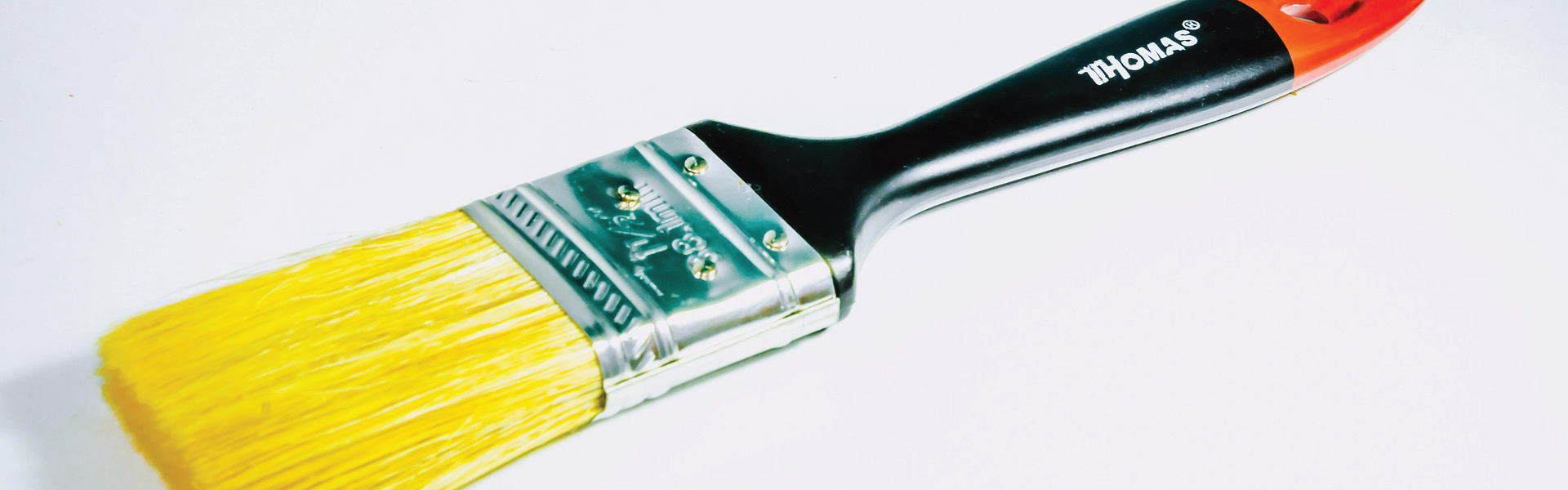
Using a brush or roller, evenly coat the surface. Make sure to cover any locations where tiles will be put.
Allow to dry
Follow the manufacturer’s directions for drying time. Most primers dry in 1-4 hours, however some may take longer.
Tile Installation
Once the primer is completely dry, apply tile glue and begin tiling. To achieve the greatest results, always follow the suggested adhesive guidelines.
Common Mistakes To Avoid
Even skilled DIYers might make blunders while applying tile primers. Avoid the following frequent pitfalls:
- Skipping Surface Preparation: Dirty or greasy surfaces may prevent the primer from adhering correctly.
- Applying Too Thick or Too Thin: A thick layer may take too long to dry, whilst a thin layer may provide insufficient adhesion.
- Ignoring Drying Time: Installing tiles before the primer has completely dried can affect adherence.
- Using the Wrong Primer: Always match the primer to the surface type.
Tile Primer vs Bonding Agent
A tile primer is frequently confused with a bonding agent, however there are some distinctions:
- Tile Primer: Prepares the surface, enhances adhesion, and may provide moisture resistance.
- Bonding Agent: When mixed with tile adhesive or applied, it improves the adhesive’s grip on particularly challenging surfaces.
- In rare circumstances, a bonding agent and primer may be used together to achieve maximum adherence.
FAQs about Tile Primer
1. Do I need tile primer for each tiling project?
Not always. Tile priming is required for smooth, non-porous, or previously tiled surfaces, but may not be necessary for porous surfaces such as raw concrete or plaster.
2. Can you put tile primer on bathroom walls?
Yes, especially if the walls have been painted or tiled previously. Many tile primers are water resistant, making them perfect for bathrooms and kitchens.
3. How long does tile priming last after applied?
Once applied and dried, tile primer forms a durable bonding layer. Tiles put on prepped surfaces can last for decades without problems.
4. Can I apply tile priming to outdoor surfaces?
Yes, but make sure to choose a primer designed exclusively for outdoor usage, as it will be resistant to moisture, temperature changes, and UV exposure.
5. Is tile primer difficult to apply?
Not at all. Tile priming can be applied using a brush or roller once the surface has been properly prepared.
Conclusion
Tile priming is a simple investment that will significantly improve the success of your tiling project. Primers keep your tiles in place and looking great for years by boosting adhesion, durability, and moisture resistance. Whether you are a DIY enthusiast or a professional tiler, applying tile priming can help you save time, effort, and money on future repairs. Always use the appropriate primer for your surface, according to the application directions, and enjoy a perfect, long-lasting tile installation.
Contact Paintcor for more information.
See also:
AcryLatex: The Ultimate Paint Solution for Versatile Surfaces

