

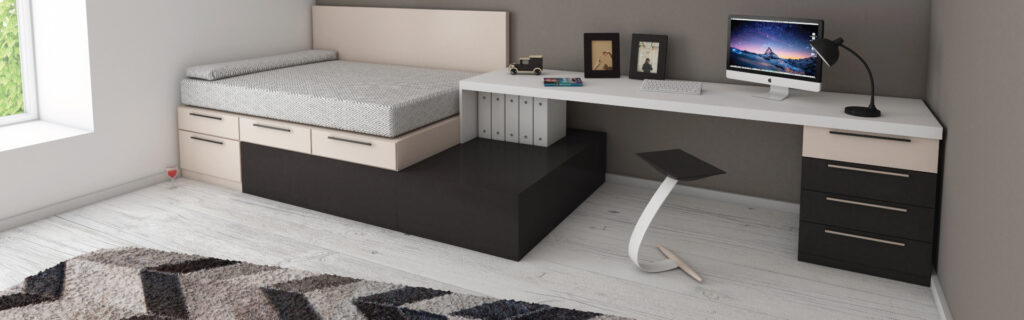
Floor paint is a versatile solution for residential, commercial, and industrial applications. Beyond its beauty, it offers protection, durability, and ease of maintenance. Whether you want to redecorate your garage, basement, patio, or commercial floor, floor paint is an affordable and visually appealing solution. In this post, we’ll look at the benefits, types, and application instructions for floor paint, as well as a useful FAQ section.
What is floor paint?
Floor paint is a carefully prepared coating that adheres to a variety of surfaces such as concrete, wood, and metal. Floor paint, unlike conventional paint, is designed to withstand heavy traffic, resist chemicals, and give long-term protection from wear and tear. It is often utilised in garages, warehouses, workshops, and even outdoor locations to improve both functionality and attractiveness.
Benefits of Using Floor Paint
Durability: Floor paint is designed to withstand continuous foot activity, vehicle movement, and heavy equipment, making it suitable for both home and commercial use.
Aesthetic Appeal: With a variety of colours and finishes available, floor paint may instantly transform a dull or damaged surface, giving your floors a fresh, modern appearance.
Painted floors are easier to clean and maintain than bare concrete or wood surfaces. Dirt, dust, and spills may be cleaned up fast.
Safety: Some floor coatings have anti-slip characteristics, which reduces the chance of accidents in high traffic areas.
Floor paint forms a protective barrier against moisture, chemicals, and abrasions, increasing the life of your floors.
Types of Floor Paint
Floor paints are prepared differently based on the material and intended application. Here are the most popular types:
Epoxy Floor Paint: Due to its outstanding durability and chemical resistance, epoxy is ideal for garages, warehouses, and industrial facilities. It frequently has a shiny surface and can withstand heavy machinery.
Acrylic Floor Paint: Is ideal for low-traffic areas such as patios, porches, and residential spaces. Acrylic paint dries quickly and comes in a large selection of colours.
Oil-Based Floor Paint: Provides strong adhesion and is ideal for wood floors and other surfaces that require long-term protection. However, sufficient ventilation is required during the application process.
Anti-Slip Floor Paint: Designed with textured additives to decrease slips and falls, it is often used in bathrooms, kitchens, and commercial settings.

How To Apply Floor Paint
Applying floor paint is simple if done properly. Here’s a step-by-step instructions:
- Prepare the surface. Clean the floor well to remove any dust, filth, grease, or old paint. Fix any cracks or damage.
- Prime the Floor (if necessary): Some floor paints, notably epoxy or oil-based paints, require a primer to ensure proper adhesion.
- Apply the Paint: Use a roller or brush to spread the paint evenly. A paint sprayer can be useful for covering big surfaces quickly.
- Allow Drying Time: Follow the manufacturer’s instructions for drying and curing times. Avoid heavy traffic until the paint has completely cured.
- Optional sealer: Using a sealer or topcoat can improve durability, sheen, and resistance to chemicals and abrasion.
Tips for Selecting the Right Floor Paint
Consider Traffic Levels: High-traffic locations necessitate stronger, more durable coatings, such as epoxy.
Surface Type: Choose a paint type that matches your surface material, such as wood, concrete, or metal.
Environmental Conditions: Outdoor floors require UV-resistant coatings that can withstand rain and temperature swings.
Colour and Finish: Select colours and finishes that suit your space and meet your practical requirements.
Floor Paint Maintenance
Maintaining painted flooring is simple but vital for extending their longevity.
Sweep or hoover frequently to remove dust and debris.
Spills should be cleaned up immediately to avoid discolouration.
Avoid using aggressive chemicals that may damage the paint.
Reapply a topcoat every few years as needed to maintain lustre and protection.
Frequently Asked Questions
Q. How long does floor paint last?
A: Floor paint can last between three and ten years, depending on the type and traffic levels. Epoxy paints usually have the greatest longevity.
Q: Can you paint over old floor paint?
A: Yes, but remove any loose or peeling paint and carefully sand the surface to ensure appropriate adherence.
Q: Is the floor paint slippery?
A: Some floor paints are smooth and might be slippery when wet. Anti-slip options are advised for safety.
Q: How long does floor paint take to dry?
A: Drying times vary according to kind. Acrylic paints can dry in a few hours, however epoxy paints take 24-72 hours to fully cure.
Q: Can floor paint be used outside?
A: Certain floor coatings are designed for outdoor use and can withstand UV radiation, dampness, and temperature fluctuations.
Conclusion
Floor paint is a great method to improve the look, durability, and safety of any floor. With a variety of options for varied surfaces and traffic levels, it is a cost-effective and beautiful solution for both residential and commercial applications. Proper preparation, application, and upkeep ensure that your painted floor is useful and attractive for many years to come. Floor paint is a practical and versatile solution for brightening up a garage, adding colour to a patio, and protecting an industrial floor from hard usage.
Contact Paintcor for more information.
See also:

