

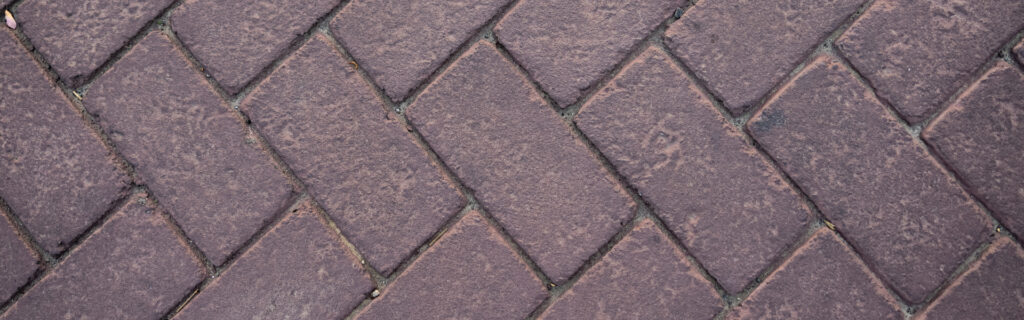
Bricks are a timeless and long-lasting building material valued for its strength, aesthetic appeal, and versatility. Bricks, like any natural or manufactured material, are subject to weathering, staining, and disintegration over time. This is where brick sealant comes into play. Applying a brick sealer is a necessary step to keep your bricks in good condition for years to come.
What is a brick sealer?
A brick sealer is a coating that protects brick surfaces from moisture, stains, mould, mildew, and other environmental damage. Sealers can either penetrate deep into the brick or form a thin layer on the surface, depending on the type. This not only improves the beauty of the brick, but also increases its lifespan.
Types of Brick Sealers
Brick sealers are mainly divided into two groups.
1. Penetrating Sealer
Penetrating sealers penetrate the brick and masonry, forming a barrier that repels water while yet enabling the surface to breathe. These sealers are great for older bricks or historic structures since they prevent water damage while preserving the brick’s original appearance.
2. Topical Sealers
Topical sealers create a protective layer on the brick surface. These sealers can improve the colour and leave a glossy or matte finish. However, the surface coating may wear off with exposure to weather and UV radiation, necessitating extra upkeep over time.

Advantages of Using A Brick Sealer
Using a brick sealer provides various benefits:
- Moisture Protection: Prevents water from permeating the bricks, lowering the risk of cracking and spalling due to freeze-thaw cycles.
- Stain resistance protects against oil, grease, and other stains, making cleaning easier.
- Mould and Mildew Prevention: Reduces the growth of mould and mildew in moist environments.
- Enhanced Appearance: Restores or enhances the bricks’ natural colour and texture.
- Longevity: Extends the life of brick surfaces, eliminating the need for expensive repairs.
How to apply brick sealer
Applying brick sealer is a simple operation if done carefully:
- Clean the brick by removing dirt, dust, and any existing stains. A pressure washer or stiff brush dipped in soapy water works wonderfully.
- Allow the Surface to Dry: To avoid trapping moisture, bricks must be entirely dry before sealing.
- Choose the Right Sealer: Depending on your goals, use a penetrating or topical sealer.
- Apply the sealer using a brush, roller, or sprayer to ensure an even application. Avoid puddling and leaks.
- Allow to dry: Follow the manufacturer’s guidelines for drying time, which is typically 24-48 hours.
- Apply Additional Coats as Needed: Some sealers require a second coat to provide optimal protection.
Brick Sealer Maintenance Tips
Reapply every 3–5 years, or as directed by the product maker.
Regularly inspect your brickwork for signs of deterioration, cracks, and water damage.
Avoid using aggressive chemicals that could ruin the sealant.
Frequently asked questions (FAQs)
Q: Can I apply brick sealant on painted bricks?
A: Yes, but make sure the paint is completely cured. A penetrating sealer may not be effective on sealed paint, so choose a sealer designed for painted surfaces.
Q: Does brick sealer change the colour of my bricks?
A: Penetrating sealers usually enhance the natural colour without providing a glossy appearance, whereas topical sealers might add sheen or slightly darken the brick.
Q. How long does brick sealer last?
A: Depending on the type and exposure conditions, most brick sealers will last 3-5 years. High-traffic or outdoor surfaces may require more frequent treatment.
Q: Is Brick Sealer Waterproof?
A: Most brick sealers are water resistant rather than completely waterproof. They protect the brick from moisture while still allowing it to breathe, preventing trapped water and damage.
Q: Can I apply brick sealant in the winter?
A: This is not encouraged. The majority of sealers require dry, warm conditions for proper application. Cold or rainy weather may prevent the sealer from sticking properly.
Conclusion
Brick sealant is a simple yet effective option for protecting your bricks from the damaging effects of weather, stains, and ageing. Whether you’re conserving a historic structure, maintaining your home’s façade, or improving your garden walls, sealing your bricks ensures longevity, beauty, and ease of upkeep. By selecting the right sealer and applying it correctly, your brick surfaces can be kept strong, vivid, and protected for many years.
Contact Paintcor for more information.
See also:
AquaMatt: The Smart Choice for Safe, Non-Slip Flooring

