

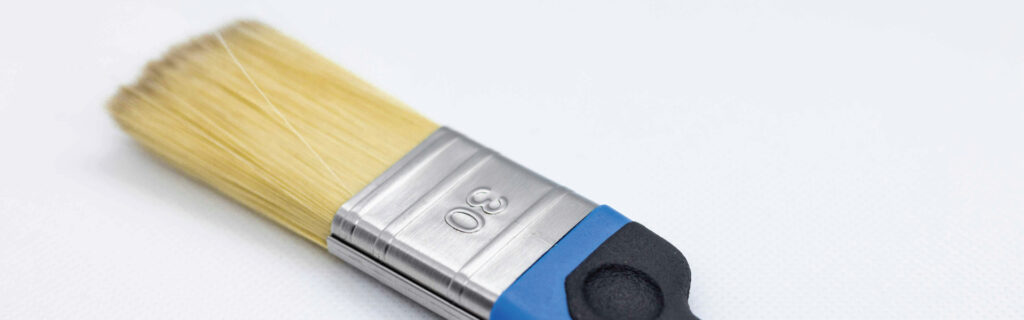
The correct tools make all the difference, regardless of your level of experience painting or whether this is your first do-it-yourself project. The 50mm paintbrush is one such crucial instrument; it’s the ideal size for accuracy, control, and adaptability. When cutting in edges, painting trim, or working on small surfaces where a roller or larger brush would be overkill, it’s very helpful.
The characteristics, benefits, typical applications, and purchasing advice for a 50mm paintbrush will all be covered in this article. In order to assist you in selecting the best brush for your requirements, we will also address some commonly asked questions.
A 50mm paintbrush: what is it?
The breadth of the bristle head, or roughly 2 inches, is referred to as a 50mm paintbrush. Precision and coverage are balanced at this size. It is both enough small to comfortably handle detail work and sufficiently wide to cover a respectable surface area.
These brushes work with a range of paints, including acrylics, enamels, and varnishes, and come in a variety of materials, including synthetic and natural bristles.
Important Qualities of a Quality 50mm Paintbrush
When purchasing a 50mm brush, quality is important. These are the most important qualities to search for:
1. Quality of Bristles
High-quality synthetic bristles that keep their shape effectively, such as those made of polyester or nylon, work well with water-based paints. For oil-based paints, natural bristles—usually derived from animal hair—work best.
2. Bristles that are tapered and flagged
Better control and less streaking are two benefits of tapered bristles. The brush may hold more paint and produce a smoother finish with flagged tips, sometimes known as split ends.
3. Cosy Handle
During extended painting sessions, a well-designed handle lessens hand fatigue. Seek out hardwood or rubber-coated handles with ergonomic shapes.
4. Ferrule Resistant to Rust
The metal band that secures the bristles is called a ferrule. The brush’s lifespan will be increased with a ferrule made of brass or stainless steel, which will not rust.
The Greatest Applications for a 50mm Paintbrush
1. Trimming Around Edges
The 50mm brush is perfect for cutting in while painting walls, creating crisp lines where the wall meets the trim, corners, or ceiling.
2. Applying paint to frames and doors
It’s the perfect size for baseboards, window frames, and doors’ narrow panels and edges.
3. Detail work and touch-ups
The 50mm brush is your best option if a surface only requires minor paint or repair. It’s big enough to avoid being boring, yet still small enough for regulated application.
4. Crafts and Furniture
This brush provides excellent control and accuracy for minor tasks like painting chairs, shelves, or ornamental objects.
How to Keep Your Paintbrush in Good Condition
If properly maintained, a high-quality brush can last for many years. Here’s how:
- Clean Right Away After Use: For water-based paints, use water; for oil-based products, use an appropriate solvent.
- Avoid Soaking: Prolonged soaking of the brush in water or solvent might cause the handle to warp and harm the bristles.
- Store Sensibly: To dry, hang the brush or place it flat. To preserve its shape after drying, store it in its original container or in a brush holder.
Purchasing Advice: Selecting the Best 50mm Paintbrush
- Align the Paint and Brush: For water-based paints, use synthetic bristles; for oil-based paints, use natural bristles.
- Invest in Quality: A well-made brush will last longer and produce better results if you spend a bit extra on it.
- To test whether the bristles shed easily, lightly tug on them. A good brush won’t lose its bristles easily.
- Examine the Comfort of the Handle: A comfortable handle is quite important if you plan to paint for extended periods of time.
FAQs On The 50mm Paint Brush
Q: Can I paint walls with a 50mm paintbrush?
A: Definitely, particularly for trimming corners or edges. It is more efficient to use a roller for huge areas.
Q: How can I use a 50mm brush without getting brush marks?
A: Pick a good tapered brush, use long, fluid strokes, and avoid packing the brush full of paint.
Q: Does oil-based paint work well with a 50mm brush?
A: Definitely, provided that it has synthetic or natural bristles made for oil-based paints.
Q: What is the ideal lifespan for a 50mm brush?
A high-quality brush can endure for many years and dozens of projects with the right maintenance.
Q: Is it possible to use the same 50mm brush for multiple paints?
A: Just as long as it’s cleaned well in between uses. Paints based on water and oil should not come into contact with one another.
Concluding remarks On The 50mm Paint Brush
For both experts and do-it-yourselfers, a 50mm paintbrush is essential. It provides accuracy, adaptability, and user-friendliness for a variety of painting jobs. Every job will have clean lines, smooth finishes, and pleasing outcomes if you use a high-quality brush and use some caution.
This useful item should undoubtedly be in your toolbox whether you’re repainting a door frame, updating furniture, or finishing off a space.
Contact Paintcor for more information.
See also:
Tile Primer: What It Is and Why You Need It
AquaMatt: The Smart Choice for Safe, Non-Slip Flooring
AcryLatex: The Ultimate Paint Solution for Versatile Surfaces