

When it comes to home maintenance, your roof is one of the most critical areas to keep in good condition. A roof sealer serves as the first line of defence against water, sunlight, and environmental harm. Whether you have a tiled, metal, or flat roof, using the appropriate roof sealant can dramatically increase its longevity and prevent costly repairs in the future.
In this tutorial, we’ll look at what roof sealers are, why they’re necessary, how to choose the proper one, and some useful application tips.
What is a Roof Sealer?
A roof sealer is a liquid coating applied to the roof’s surface to protect it against moisture, UV radiation, and temperature variations. Once applied, it provides a waterproof barrier that protects against leaks, rust, and degradation. Sealers are commonly constructed from acrylic, silicone, bituminous, or polyurethane compounds, with each providing unique benefits based on your roof type and climate circumstances.
Why Use Roof Sealer?
Waterproofing Protection
Roof sealers plug cracks and gaps, preventing rainfall from penetrating and creating leaks or damage.
UV and Weather Resistance
The sun’s UV radiation can deteriorate roofing materials over time. A sealant reflects sunlight, which reduces heat absorption and increases roof life.
Energy Efficiency
Some roof sealers contain reflecting pigments, which lower surface temperatures, keeping your home cooler and lowering energy bills.
Rust and corrosion prevention
A roof sealant protects metal roofs from oxidation and rust.
Cost Savings
Sealing your roof might be much cheaper than replacing it. Regular maintenance helps to prevent serious damage before it occurs.
Types of Roof Sealers
1. Acrylic Sealers
Acrylic sealers are popular because they are inexpensive and easy to use. They offer effective UV protection and are ideal for sloped roofs. However, they are less effective in places with standing water.
2. Silicone Roof Sealers
Silicone sealers are excellent at waterproofing and UV resistance. They are ideal for flat roofs and high rainfall areas, although they can be slick when wet and are more expensive.
3. Bitumen-Based Sealants
Bitumen or asphalt sealers are frequently used on older roofs. They produce a thick, resilient covering that is suitable for weatherproofing. However, they absorb heat and may need to be recoated more frequently.
4. Polyurethane Roof Sealers
These have excellent stickiness and elasticity, making them ideal for roofs subjected to harsh weather conditions. Polyurethane sealers are resistant to ponding water and cracking, but they must be applied precisely to achieve even coverage.
How To Apply Roof Sealer
Step 1: Clean the Roof
Use a stiff brush or pressure washer to remove debris, moss, and grime. The surface must be clean and dry before the sealer can adhere properly.
Step 2: Repair cracks and leaks
Prior to applying the sealant, fill any obvious fractures or damaged areas with an appropriate roof repair product.
Step 3: Apply the sealer
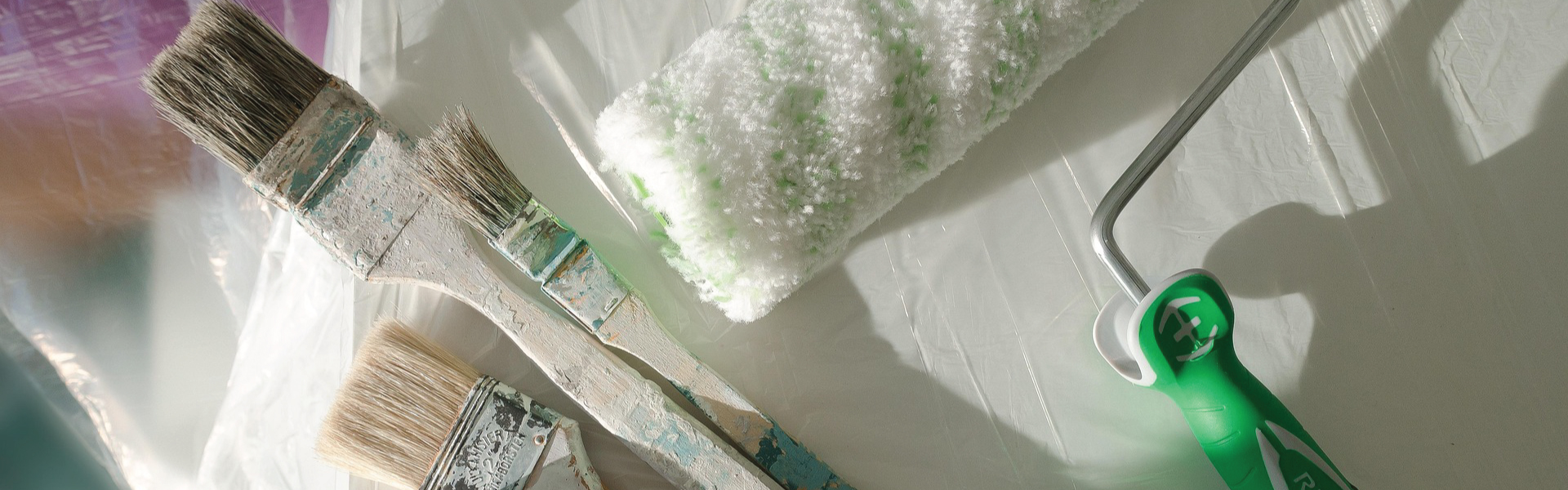
Use a roller, brush, or spray system to evenly apply the initial layer. Follow the manufacturer’s drying instructions, and then apply a second layer for extra durability.
Step 4: Allow proper curing
Most sealers require 24-48 hours to completely cure. Avoid walking on the roof or exposing it to rain until it has completely dried.
Maintenance Tips
Reapply your roof sealer every 3-5 years, depending on the type and weather.
Inspect for cracks and peeling on a regular basis.
Keep gutters clean to avoid water buildup.
After a storm, inspect for damage to ensure your sealer is still intact.
How to Select the Right Roof Sealer
When choosing a roof sealant, consider the following:
- Roof Material: Select the sealant that is appropriate for your roof type (metal, concrete, tile, or bitumen).
- In hot, sunny climates, seek for UV-resistant acrylics. Silicone works well in rainy places.
- Budget: Strike a balance between initial expense and long-term sustainability.
- Ease of Application: Some sealers require expert installation, while others are do-it-yourself friendly.
- If you’re undecided, call a roofing specialist to determine the best alternative for your home.
Frequently Asked Questions (FAQ)
1. How long does roof sealant last?
Roof sealers typically last 5 to 10 years, depending on the type, quality, and exposure to weather conditions.
2. Can I apply the roof sealer myself?
Yes, many acrylic and bitumen-based sealers are appropriate for DIY applications. However, for large or complex roofs, it is preferable to contact a specialist.
3. How long does roof sealant take to dry?
Drying time varies, but it normally ranges between 2 and 6 hours for the initial coat and up to 48 hours for full curing.
4. Can I apply sealant over an existing roof coating?
In most cases, yes—but make sure the existing coating is clean and in good condition. Some products require a primer to ensure proper adherence.
5. Does roof sealant entirely eliminate leaks?
A properly placed sealer can stop minor leaks and prevent new ones from forming, but it cannot repair significant structural damage.
Final Thoughts
Using a roof sealant is one of the most simple and effective ways to protect your property from leaks, UV damage, and premature deterioration. With the right product and application, you can extend the life of your roof, save money on repairs, and enhance your home’s overall energy efficiency. Whether you do it yourself or hire a professional, a well-sealed roof is an investment that will pay off in terms of peace of mind and future savings.
Contact Paintcor for more information.
See also: