

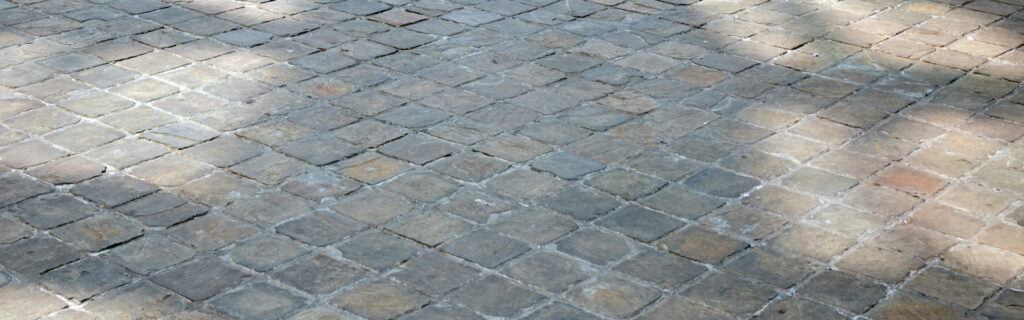
Painting exterior surfaces such as driveways, patios, and concrete walks not only improves curb appeal, but also protects them from wear, weather, and damage. If you’re working on a large outdoor area, paving paint in a 20L container is the best solution for efficient, cost-effective, and high-quality results.
In this blog post, we’ll look at what paving paint is, why the 20L size is better for larger operations, what types of surfaces it works best on, and how to apply it properly for long-lasting results.
What is Paving Paint?
Paving paint is a carefully prepared coating that adheres to concrete, brick, and masonry surfaces. It’s more durable than normal wall paint and designed to withstand:
- Foot traffic and automobile movement
- UV radiation and changing weather
- Water, oil, and chemical spills.
- Fading, Cracking, and Peeling
Whether you’re improving your driveway, garage floor, garden walk, or outdoor entertainment area, paving paint provides a durable, weather-resistant finish that not only looks fantastic but also preserves your surfaces for many years.
Why Choose a Paving Paint 20L Tin?
Purchasing paving paint in a 20L tin has various benefits, particularly for medium to large projects:
Cost-effective
Purchasing in bulk lowers the cost per litre compared to smaller tins, making it an excellent choice for broader coverage regions.
Fewer colour variations
When utilising numerous smaller tins, there is always the possibility of tiny shade variations. A single 20L tin provides colour constancy over your surface.
Improve project flow
There is no need to stop in the middle of a job to open a new can or do an emergency hardware run. With 20L, you’ll probably have enough for two coatings.
Sufficient coverage
Depending on the surface texture, 1 litre of paving paint will cover approximately 8-10 square meters. So a 20L container may cover around 160-200 square meters with a single coat.
Ideal Surfaces for Paving Paint
Paving paint is quite versatile and can be applied to:
- Concrete driveways
- Garage floors
- Brick or cement patios
- Paving Stones
- Courtyards and Walkways
- Concrete stairs and pool surrounds
It is not recommended for extremely smooth tiles or sealed surfaces unless an appropriate primer is used to assure adhesion.
Paving Paints Available in 20L
There are a variety of paving paint compositions to consider:
1. Water-Based Pavement Paint
- Easy to clean, quick drying, and low VOCs.
- Ideal for typical concrete surfaces and pedestrian zones.
2. Solvent-Based Pavement Paint
- Stronger and more chemically resistant.
- Ideal for garages, driveways, and high-traffic locations.
3. Epoxy Paving Paint
- Extremely robust and chemical resistant.
- Ideal for industrial rooms or regions that require substantial protection.
4. Textured or non-slip finishes
- Contains fine grit or textured additions for safer walking areas.
- Popular near pool areas and inclined walkways.

How To Apply Paving Paint (Like A Pro)
A good finish is all about preparation and application. Here’s how to do it correctly:
1. Clean the surface
Remove dirt, oil, grease, moss, and peeling paint. If necessary, use degreaser or an acid etch. Rinse thoroughly and dry fully.
2. Repair cracks and chips
To fix any damage, apply a concrete filler or patching material.
3. Prime as needed
Some surfaces require a primer, particularly bare concrete or previously sealed surfaces. Check the paint label.
4. Stir thoroughly
Mix the pavement paint thoroughly. For 20L tins, a paint stirrer attached to a drill is ideal.
5. Apply Even Coats
Use a long-handled roller or an airless sprayer. For optimal durability, apply two coats, allowing the specified drying time between each application (4-8 hours).
6. Allow Proper Curing
Avoid walking or driving on the surface for at least 24-48 hours. Full cure can take up to 7 days.
Benefits of Using Pavement Paint
- Weather protection: Prevents moisture, UV radiation, and temperature fluctuations from deteriorating concrete.
- Improved Aesthetics: Available in a variety of modern colours, including charcoal and sandstone.
- Stain resistance: More easily cleaned than raw concrete.
- Anti-slip options are safer for outdoor use and high-traffic areas.
- Increased Property Value: A fresh coat of pavement paint can make driveways and patios appear brand new.
Frequently Asked Questions (FAQ)
Q: How much area can a 20L tin of pavement paint cover?
On average, 20L covers 160-200 square meters with a single coat. Always refer to the product’s coverage rate.
Q: Can I apply pavement paint on a tiled surface?
Not usually, unless the tile is porous and adequately prepped. Smooth tiles do not promote proper adherence.
Q. How long does pavement paint last?
Pavement paint can last 3-5 years with adequate application and surface preparation, and much longer with epoxy or high-performance solutions.
Q: Can paving paint be coloured any colour?
Yes, most paving coatings can be coloured. Some manufacturers provide bespoke tinting to complement your external decor.
Q: Is it suitable for pool surrounds or slippery surfaces?
Yes, if you select the non-slip or textured version. Always refer to the label for anti-slip suggestions.
Q: How should I keep unused 20L pavement paint?
Store the lid tightly, in a cool, dry area, and away from direct sunlight. Stir before reusing.
Conclusion: Is a 20-L Paving Paint Tin Worth It?
If you’re painting a driveway, huge patio, or business sidewalk, a 20L paving paint container is both useful and cost-effective. It maintains colour uniformity, eliminates waste, and allows for greater job flexibility. Paving paint, when properly prepared and applied, can transform worn concrete into a clean, durable, and appealing surface.
Whether you’re preparing your home for resale, preserving it from the elements, or simply freshening up your property, pavement paint provides a simple solution with a significant visual impact.
Contact Paintcor for more information.
See also:
Raw Linseed Oil: Nature’s Timeless Wood Preserver
How to Apply Waterproofing Paint on a Roof: A Step-by-Step Guide
A Comprehensive Guide to Choosing the Best Waterproofing Paint for Your Needs