

Painting is a great method to renew and transform any room, whether it’s your house, office, or a creative project. However, a good finish requires more than just paint. Using the proper paint supplies provides smooth application, even coverage, and long-lasting effects. This book covers important paint tools and accessories to help both new and expert painters tackle their projects with confidence.
Essential Paint Brushes
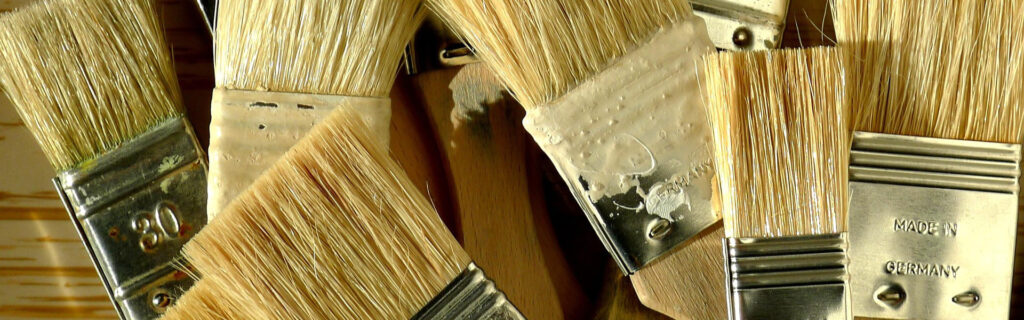
Paint brushes are essential instruments for any painting projects. They come in different forms, sizes, and bristle types, each suited for a specific purpose.
Flat brushes are ideal for big surfaces, edges, and achieving smooth finishes.
Angled Brushes: Ideal for cutting in corners and trimming.
Round brushes are ideal for detailed work and precise painting.
When choosing brushes, keep the paint type in mind. Synthetic bristles are excellent for water-based paints, whereas natural bristles perform well with oil-based paints. Investing in high-quality brushes can significantly improve the final outcome.
Paint Rollers and Accessories
Rollers are crucial for covering vast areas fast and efficiently. They give smooth, uniform coatings while minimising streaks and brush marks.
Roller covers are available in a variety of nap lengths to suit different surfaces. Short naps are best for smooth walls, however longer naps work well on textured surfaces.
Roller Frames: Make sure the handle is robust and easy to rotate for a smooth application.
Extension poles are useful for reaching high walls or ceilings without a ladder.
Using the correct roller with the appropriate paint avoids waste and gives a professional finish.
Paint Trays and Liners
Paint trays contain paint for convenient roller access and spill prevention. Using disposable liners speeds up cleanup and reduces cross-contamination when altering paint colours. Look for trays with deep wells to prevent dripping and keep paint on your roller.
Drop Cloths and Protective Gear
Painting requires you to protect both your surrounds and yourself.
Drop Cloths: Canvas or plastic sheets protect floors, furniture, and countertops from spills. Canvas is more durable and reusable than plastic, which is lightweight and throwaway.
Painter’s tape creates crisp margins on trim, ceilings, and windows.
Wear old clothes or painter’s dungarees to avoid stains, and consider gloves and safety glasses for further protection.
Taking safeguards saves stress and results in a neater, more professional-looking output.
Sandpaper, Surface Preparation Tools
Proper surface preparation is essential for paint adherence and longevity.
Sandpaper is useful for smoothing uneven areas, removing old paint, and creating a uniform surface. For fragile surfaces, use fine-grit sandpaper, while coarse grit is best for heavy-duty sanding.
Scrapers and putty knives are used to remove flaking paint, fill holes, and level surfaces before to painting.
Primers are essential for sealing surfaces and ensuring even paint application, particularly on new or previously painted surfaces.
Well-prepared surfaces ensure that your paint job lasts longer and seems professional.
Paint Cans, Mixers, and Storage
Efficient paint handling simplifies your workload and keeps your supplies organised.
Paint Cans: Select the appropriate size for your project to avoid waste.
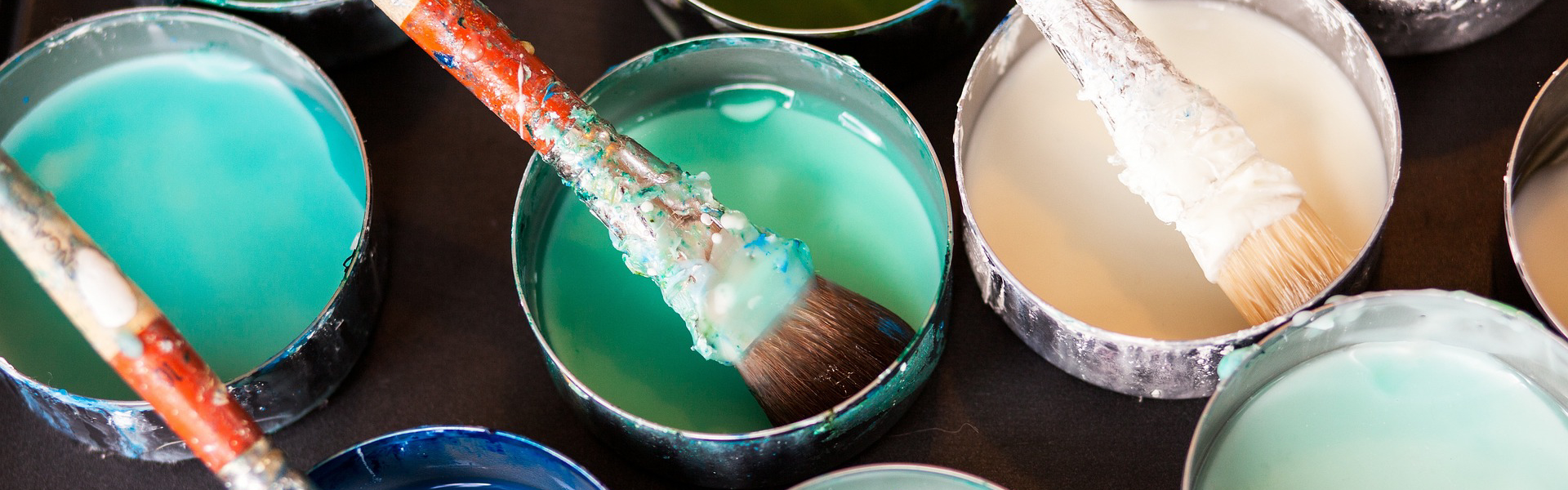
Mixing Sticks or Paint Mixers: Ensure that the colour and consistency are uniform, especially when using many cans.
Storage Containers: Properly sealed containers keep paint from drying out and allow leftovers to be utilised for touch-ups.
Having organised supplies saves time and reduces irritation during painting work.
FAQs about paint supplies
Q: Which type of brush is ideal for interior walls?
A: Synthetic brushes are best for water-based paints, whilst natural bristles are best for oil-based paint. A 2-3 inch angled brush is ideal for trimming edges.
Q: How do I select the appropriate roller nap?
A: Short naps (¼”-⅜”) are ideal for smooth walls, medium naps (½”) for mildly textured surfaces, and long naps (¾”-1″) for rough or stucco walls.
Q: Can I reuse the paint trays?
A: Paint trays can be reused as long as they are cleaned immediately after use. Using disposable liners simplifies this process and saves time.
Q: Should I prime before painting?
A: Priming is advised, particularly on bare surfaces or when changing paint colours, because it enhances adherence and keeps stains from seeping through.
Q: How do I store excess paint?
A: Keep paint in a well sealed container in a cold, dry place. To retain quality, avoid prolonged exposure to severe temperatures.
Conclusion
Having the proper paint supplies is essential for producing professional-looking results. Brushes and rollers, as well as safety gear and surface preparation tools, all contribute to your project’s success. Investing in quality tools and prepping your workplace guarantees a smooth application, even coverage, and long-term results. Whether you’re painting a tiny craft piece or renovating a room, using the right paint materials makes the job easier, safer, and more fun.
Contact Paintcor for more information.
See also:
Paving Floor Paint: Durable Protection and Style for Every Surface