

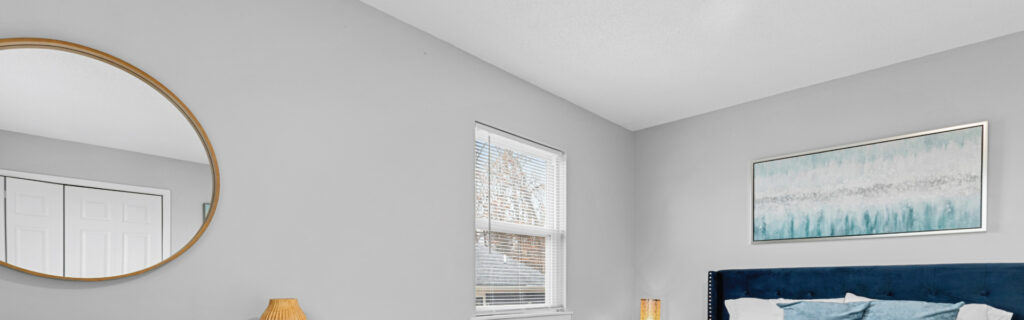
In today’s construction and home renovation industry, high-quality paint is more than simply a pop of colour; it provides protection, durability, and long-term value. Kurhula Paint is one sort of paint that has recently gained popularity due to its steady performance. This paint is trusted by professionals and do-it-yourselfers for a wide range of applications due to its balanced provision of both decorative and industrial coatings.
But what exactly is Kurhula Paint, and what makes it so versatile? In this post, we’ll look at its features, applications, benefits, and frequently asked questions to help you decide whether it’s the ideal product for your next project.
What is Kurhula Paint?
Kurhula Paint is a type of water-based and solvent-based paint that is intended to provide both aesthetic appeal and protective properties. These paints are frequently used in residential, commercial, and industrial environments where durable finishes and consistent coverage are required.
They are designed to fit the needs of a variety of surfaces, such as concrete, wood, metal, and plaster, and are frequently engineered to withstand weathering, peeling, and fading over time.
Key Advantages of Kurhula Paint
These paints have various advantages for painting a living room wall or an outside steel structure:
- Durability: They are designed to survive harsh situations, making them suitable for both indoor and outdoor use.
- Adhesion is the capacity to adhere strongly to a variety of surfaces, including smooth and porous materials.
- Versatility: Can be used on walls, roofs, fences, steelwork, and more.
- Ease of Application: Depending on the surface and desired finish, it can be applied with a brush, roller, or spray.
- Attractive Finish: Available in a variety of sheens and colours to suit your aesthetic choices.
Types of Kurhula Paint Products
While the phrase “Kurhula Paint” can refer to a wide range of items, they are commonly classified into the following types:
1. Water-Based Paint
Best for interior walls, ceilings, and locations that require a minimal odour.
Features: Quick drying, simple cleanup, and environmentally friendly.
2. Solvent-based paints
Ideal for: Exterior surfaces and areas prone to moisture or wear.
Features: Tougher film, more resistant to wear and weathering.
3. Primer and Undercoating
Used as a preliminary layer to improve topcoat adhesion and coverage.
Important for new surfaces or repainting dark or glossy surfaces.
4. Industrial coatings
Ideal for: Steel structures, factories, machinery, and heavy-duty surfaces.
Features include corrosion resistance, chemical resistance, and long-lasting protection.
Where Kurhula Paint Excels
This sort of paint is popular in a variety of settings:
- Residential Homes: Interior walls, ceilings, and trimmings for a clean, professional look.
- Commercial spaces include offices, shops, and public structures that combine aesthetics with durability.
- Industrial settings include factories, warehouses, and steel structures that require high-performance coatings.
- Outdoor applications include boundary walls, fences, roofs, and more.
How To Apply Kurhula Paint Effectively
As with any paint, adequate preparation and application are essential for obtaining a long-lasting and appealing finish:
Step One: Surface Preparation.
Clean the surface thoroughly. Remove all dirt, dust, grease, and any loose or flaky material.
Step 2: Priming (if required)
Use an appropriate primer to improve adhesion, particularly on bare concrete, steel, or wood.
Step 3: Mixing.
To guarantee an equal colour and consistency, properly stir the paint before using it.
Step 4: Application.
Apply using a brush, roller, or spray. Follow the drying and coating times specified in the instructions.
Step 5: Curing.
Allow for adequate curing time before subjecting the painted surface to heavy use or harsh circumstances.
Frequently Asked Questions (FAQ)
Q: What surfaces can Kurhula Paint be applied to?
It can be used on a variety of surfaces, including plaster, concrete, brick, metal, wood, and cement boards. Always check for compatibility and thoroughly prepare the surface.
Q: Which is better: water-based or solvent-based paint?
It depends on your requirements. Water-based paint is great for indoor applications and rapid jobs. Solvent-based paint provides more durable protection for exteriors and high-wear areas.
Q. How long does Kurhula Paint last?
With careful application and surface preparation, it can endure for several years. Exterior paints typically last 5 to 10 years, depending on exposure conditions.
Q: Does it come in several finishes?
Yes, matte, satin, eggshell, and gloss are common finishes that are ideal for both functional and decorative applications.
Q: Can I use it myself, or do I require a professional?
Most formulations are do-it-yourself friendly. However, for industrial or large-scale projects, professional application is frequently advised.
Final thoughts: Is Kurhula Paint Worth It?
Kurhula Paint provides an ideal mixture of performance, price, and versatility. Whether you’re touching up a bedroom wall or sealing a manufacturing floor, these paints will get the job done. It’s a practical solution for both professionals and home renovators, with a wide range of finishes, colours, and surface compatibility.
When selecting paint, always consider the conditions that your surface will be subjected to—sun exposure, humidity, wear, and so on—and match the paint type properly.
Contact Paintcor for more information.
See also:
Polyurethane Paint: The Durable Finish That Lasts
How to Do Waterproofing on a Roof: Step-by-Step Tips for Long-Lasting Protection
Basement Waterproofing Services: How to Choose the Best Contractor for Your Needs