

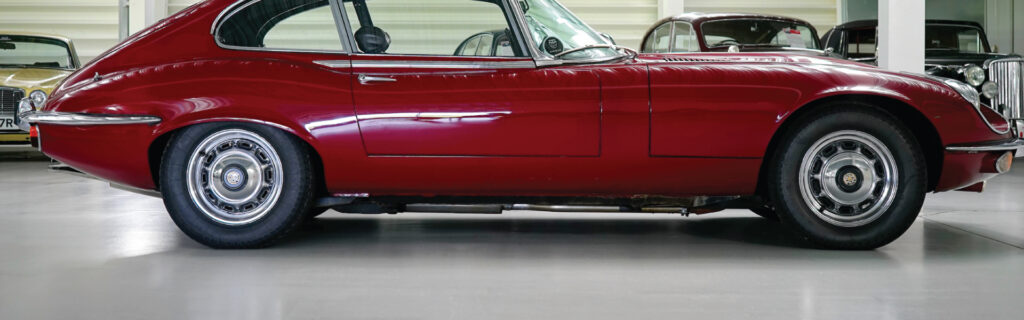
A garage is more than simply a place to keep your car; it also serves as an office, storage room, and, on occasion, a leisure space. One of the simplest and most effective ways to improve your garage is to paint the floor. Garage floor paint not only improves the appearance of concrete surfaces, but it also protects them from stains, chemicals, and wear. In this post, we’ll go over the benefits, types, application methods, and FAQs to help you get a professional-looking finish.
Benefits of Garage Floor Paint
Painting your garage floor has both functional and decorative benefits.
1. Protection against stains and damage
Concrete floors are porous, which makes them vulnerable to oil spills, tyre marks and chemicals. Garage floor paint forms a protective layer, preventing permanent discolouration and extending the life of your floor.
2. Easier Cleaning
A painted floor is a lot easier to clean. Dust, debris, and spills may be wiped or washed away without soaking into the concrete, keeping your garage cleaner.
3. Enhanced Aesthetic
Garage floor paint comes in a wide range of colours and treatments, from glossy epoxy coatings to matte finishes. A new coat may brighten the room and make your garage appear more spacious and organised.
4. Increased safety
Some garage floor paints are slip-resistant, which minimises the likelihood of accidents, particularly in damp or oily conditions.
Types of Garage Floor Paint
Choosing the correct type of paint is critical for both longevity and look. Common choices include:
1. Epoxy paint
Epoxy paint is the most popular choice for garage flooring because of its long-lasting sturdiness and glossy sheen. It produces a strong connection with concrete, is chemically resistant, and can last for many years with adequate maintenance.
2. Latex Based Paint
Latex paint is easier to apply and dries faster than epoxy. They have modest endurance and are ideal for garages with minimal traffic.
3. Oil-Based Paints
Oil-based paints are less prevalent, but they produce a firm, durable surface. They take longer to dry and may produce higher smells upon application.
4. Polyurethane coatings
Polyurethane coatings are commonly utilised as topcoats atop epoxy. They offer added protection from UV radiation, chemicals, and abrasions.
How to Prepare Your Garage Floor
Proper preparation is essential for a durable paint finish.
Clean thoroughly: Use a degreaser or floor cleanser to remove debris, dust, grease, and oil stains.
Repair Cracks: Apply concrete patching material to any cracks or holes.
Etch the Surface: Etching allows the paint to cling better to the concrete. Use a concrete etcher or muriatic acid while taking safety precautions.
Dry fully: Make sure the floor is entirely dry before applying paint, since moisture might cause peeling.
How To Apply Garage Floor Paint
Choose the Right Tools: For broad areas, use a long-handled roller, and for edges and corners, use a brush.
Prime if Necessary: Some paints require a primer for proper adherence. Check the manufacturer’s directions.
Apply Paint in Thin applications: Two thin applications are superior to one heavy coat. Let the first coat dry completely before applying the second.
Optional: Sprinkle ornamental flakes on wet epoxy before it hardens to give texture and beauty.
Cure Time: Allow the paint to cure according to the manufacturer’s directions, which is normally 24-72 hours, before moving cars or heavy equipment back in.

Maintenance Tips
Sweep or hoover frequently to remove dust and debris.
Spills should be cleaned up immediately to avoid discolouration.
Avoid using aggressive chemicals that may damage the paint.
Reapply a topcoat every few years to keep the durability and sheen.
FAQs for Garage Floor Paint
Q1: Can I paint the garage floor myself?
Yes, DIY application is doable with adequate preparation and high-quality paint. Epoxy kits often provide step-by-step instructions.
Q2: How long does garage floor paint last?
Epoxy garage floor paint can last 5-10 years or longer with adequate preparation and maintenance, whereas latex-based paints may only last 2-3 years.
Q3: Is the garage floor paint slip resistant?
Some paints contain slip-resistant ingredients. If safety is a concern, seek for epoxy with non-slip flakes or polyurethane coats that grip.
Q4: May I alter the colour later?
Yes, you can repaint over existing garage floor paint, but excellent adherence requires sufficient surface preparation, such as sanding and washing.
Q5: How much does it cost to paint a garage floor?
DIY prices range from $100 to $500, depending on the size of your garage and the type of paint. Professional installation can cost between $1,000 and $3,000.
Conclusion
Garage floor paint is a cost-effective and efficient solution to maintain, beautify, and modernise your garage. With correct preparation, quality paint, and application, you can get a long-lasting, easy-to-clean surface that improves both usefulness and aesthetics. A coated garage floor, whether you go with epoxy for longevity or latex for convenience, can radically transform the room.
Contact Paintcor for more information.
See also: