

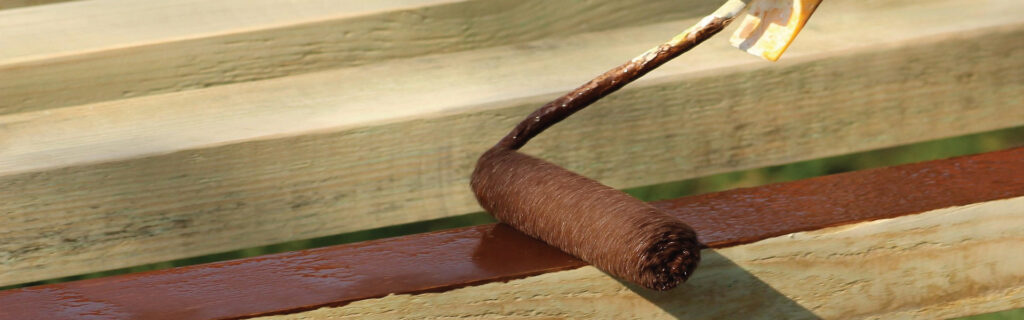
Floor paint is a versatile solution that helps individuals and businesses improve the beauty and durability of their floors. Whether you want to brighten a dark basement, protect a concrete garage, or give your wood floor a new look, selecting the correct floor paint may make a big impact. This tutorial discusses the advantages, varieties, application techniques, and upkeep of floor paint.
Why Use Floor Paint?
Floor paint provides various benefits that extend beyond aesthetics:
- Durability: Modern floor coatings are engineered to survive heavy foot traffic, scratches, and exposure to damp and chemicals.
- Easy to Clean: When compared to bare concrete or worn wooden flooring, painted floors require less cleaning.
- Customisation: Floor paint is available in a variety of colours and finishes, allowing you to create unique designs or fit your interior décor.
- Cost-Effective Upgrade: Painting a floor is often less expensive than replacing it completely.
Types of Floor Paint
Choosing the appropriate paint relies on the material of your floor and the amount of use it will receive.
1. Epoxy Floor Paint
Epoxy paints are used in garages, basements, and industrial settings. They offer a robust, long-lasting finish that is resistant to chemicals, oil, and water. Epoxy is available in a wide range of colours and finishes, including glossy and matte.
2. Acrylic Floor Paint
Acrylic paints are water-based and suitable for indoor applications such as wood floors, concrete, and cement. They dry quickly, are easy to clean, and offer adequate coverage. Acrylic floor paint is less durable than epoxy, but it is ideal for decorative applications.
3. Oil-Based Floor Paint
Oil-based paints are extremely durable, leaving a strong, long-lasting finish. They are appropriate for high-traffic locations, however proper ventilation is required during application because to the powerful fumes.
4. Concrete Floor Paint
This paint is specially developed for concrete surfaces and increases both beauty and lifespan. Concrete floor coatings frequently include fillers that create a slip-resistant finish.
Preparing the Floor for Painting
Proper preparation is essential to achieving a long-lasting paint finish.
Clean thoroughly, removing any dirt, grease, and debris. Use a degreaser if needed.
Repair damage by filling cracks, chips, and holes with a suitable filler. Sand the rough spots to make the surface smoother.
Prime the Floor: Using a primer improves adherence and reduces flaking. Certain paints, such as epoxy, require particular primers.
Ensure Dryness: To minimise bubbles and poor adherence, ensure that the floor is entirely dry before painting.
Applying Floor Paint
Follow these steps to get the best results:
- Select the Right Tools: Depending on the paint kind and surface area, apply it with rollers, brushes, or sprayer.
- Apply Thin coatings: Many thin coatings are preferable to one thick coat. Let each coat dry thoroughly.
- Use Protective Gear: Gloves, masks, and protective eyewear can help you stay safe when painting.
- Allow the paint to set completely before stepping on it or adding furniture. Some paints may require several days to fully cure.
Maintaining Painted Floors
Maintaining painted floors is quite straightforward if done on a regular basis.
Regular Cleaning: Sweep and mop periodically to eliminate dirt and avoid scratches.
To protect the paint finish, use mild cleaning solutions rather than harsh chemicals.
Touch-Ups: Save some extra paint for small repairs and touch-ups to keep your paint looking fresh.
Protective Coating: To boost durability, consider applying a sealer or topcoat to high-traffic areas.
Advantages of Painted Floors in Different Spaces
Garages and workshops: Epoxy or oil-based paints can withstand oil, stains, and heavy tools.
Basements: Acrylic and epoxy paints brighten dark areas while protecting against dampness.
Commercial Spaces: Long-lasting floor coatings help to keep retail businesses, offices, and warehouses looking professional.
Home Interiors: Add uniqueness to your living spaces by transforming wooden or concrete floors with brilliant colours or decorative designs.
Frequently Asked Questions (FAQ)
Question 1: How long does floor paint last?
Floor paint can endure for three to ten years, depending on the type, quality, and care. Epoxy paints are generally the most durable.
Q2: Can I paint over existing paint?
Yes, however the current floor needs to be cleaned, lightly sanded, and primed. Some paints may require a particular primer to guarantee appropriate adherence.
Q3: Is floor paint safe for kids and pets?
Water-based acrylic paints are generally harmless until fully cured. Oil-based and epoxy paints may need to be properly ventilated and cured before they are safe for children or pets.
Q4: Can painted floors be slip resistant?
Yes, you can add non-slip compounds to the paint or use a textured finish to lessen slipping hazards.
Q5: How long should I wait to walk on a freshly painted floor?
Most floor coatings require a minimum of 24-48 hours before light foot traffic. Heavy furniture or equipment should wait 3-7 days, depending on the type of paint.
Conclusion
Floor paint is a wonderful way to improve the appearance, durability, and performance of your flooring. You may have colourful and long-lasting floors for years by choosing the right paint, properly prepping the surface, and maintaining the finish. Floor paint is a low-cost solution for residential, commercial, and industrial settings that combines style with protection.
Contact Paintcor for more information.
See also:
Transform Your Space with Textured Wall Paint
Waterproof Primer: The First Step to Lasting Protection
The 50mm Paint Brush: A Handy Tool for Precise Painting Jobs

