


Managing dampness in houses may be a frustrating and ongoing problem. In addition to having an impact on the way surfaces look, moisture may seriously harm structures and put people’s health at risk. this specialist compound becomes an essential remedy in such circumstances. This tutorial will clarify the significance of damp seal and its intended use. We’ll go over typical causes of dampness, what happens if it isn’t treated, how damp seal works, what areas benefit from its use, and why damp seal application is so important for preserving a dry, healthy, and structurally sound living environment.
Introduction to the Damp Seal and Its Purpose
A specialist compound called damp-seal is made to counteract and prevent the impacts of moisture in structures and buildings. It serves as a barrier, keeping moisture from penetrating surfaces including walls, ceilings, and floors. Products designed to prevent water absorption also offer a layer of protection that fends off moisture’s destructive effects. Creating a barrier that stops water from penetrating surfaces and resulting in issues like mould growth, peeling paint, decay, and structural instability is the main goal of a damp seal. Applying damp seal will protect your home from the damaging effects of moisture and create a dry, healthy interior atmosphere.
What Are Typical Sources of Dampness?
A building’s interior conditions and sources might contribute to dampness. Understanding these typical causes is crucial for finding a solution.
Some of The Primary Causes Include:
- Water leaks: Broken gutters, roof leaks, and plumbing leaks all let water into the building, causing dampness.
- Condensation: Poor ventilation, high humidity, and temperature variations can lead to condensation on surfaces, which encourages dampness and the growth of mould.
- Rising damp: Moisture problems can be brought on by groundwater seeping through porous materials like brick or concrete and rising from the foundation.
- Penetrating damp: External elements, such as rain or slack exterior upkeep, can allow water to enter the building envelope and cause dampness.
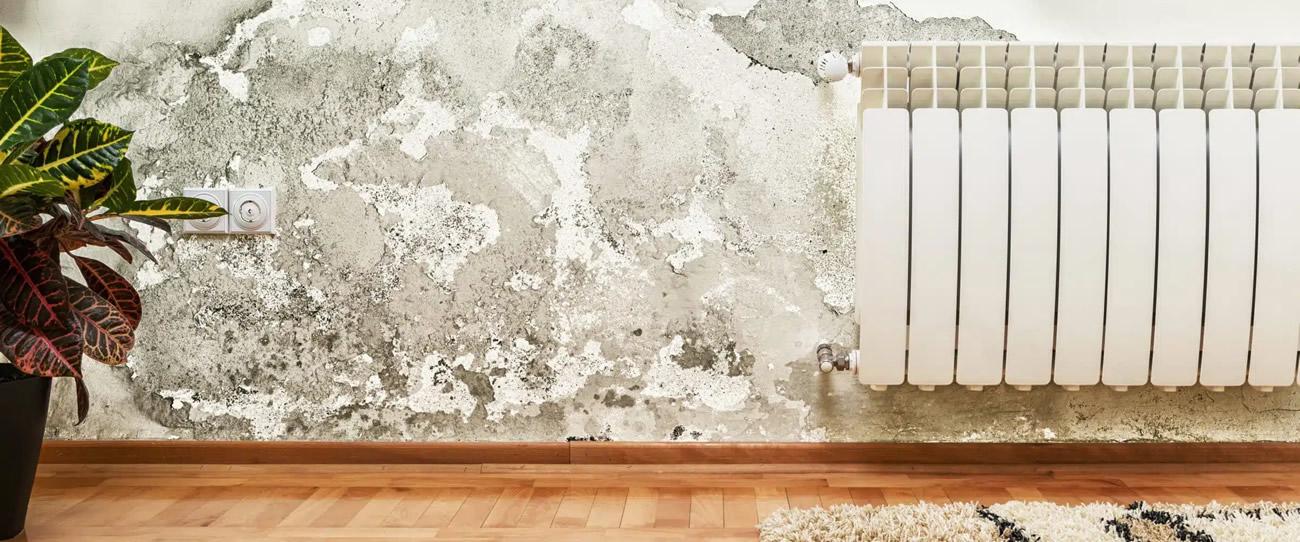
What Are The Effects of Untreated Dampness?
Dampness can have serious effects on both the building and its residents if it is not remedied.
These Effects Consist of:
- Damage to the structure: Dampness can cause a building’s structural integrity to be at risk because it weakens building materials, causes decay, and encourages the development of mould and fungi.
- Mould growth: Damp settings provide the perfect atmosphere for mould to thrive. Mould can cause surface damage as well as allergy and respiratory problems.
- Health risks: Dampness can contribute to poor indoor air quality, which can cause allergies, respiratory disorders, and other health concerns.
- The decline in aesthetics: Dampness can cause unattractive stains, peeling paint, and wallpaper damage, all of which can negatively impact your home’s appearance.
How Damp Seal Works
When damp seal is applied to surfaces, it forms a barrier that stops moisture from penetrating and delays the onset of dampness-related issues. Specialized chemicals that prevent water from absorbing and create a waterproof or water-repellent coating are often found in damp seal products. When appropriately used, it creates a robust barrier that stops water molecules from penetrating and harming the substructure. It serves as a barrier against mould growth, wetness, and other effects of too much moisture. Products for damp seals are available in a variety of forms, including paints, varnishes, and sealants, allowing for flexible application and accommodating diverse surface types and circumstances.
Areas That Benefit
Several areas of a building that are vulnerable to dampness and moisture-related issues benefit from a damp seal. The following are a few specific places where it is beneficial:
- Basements: Because of their underground location and potential for groundwater intrusion, basements are particularly prone to moisture.
- Bathrooms and kitchens: Because condensation and moisture buildup are more likely to occur in high-humidity areas like bathrooms and kitchens, this treatment is a great choice for these spaces.
- Exterior walls: Applying damp seal is essential to preventing water penetration since external walls may be subjected to driving rain, penetrating dampness, and moisture from the ground.
- Crawl spaces: Crawl spaces are good locations for damp seal treatment because they are susceptible to rising dampness and moisture buildup.
The Value of Damp Seal Application
To reduce the harmful impacts of dampness and preserve a healthy living environment, damp seal application is crucial.
This is Why:
- Structural damage: Dampness can weaken structures by compromising the structural integrity of building materials, which causes rot and decay. damp-seal builds a barrier of defence to stop moisture from weakening the structure.
- Mould growth: Mold doesn’t develop well in moist settings and can be harmful to your health. Damp seal prevents moisture from absorbing, which lowers the possibility of mould growth and protects tenant health.
- Maintains aesthetics: Dampness can cause unattractive stains, peeling paint, and wallpaper damage, negatively impacting your home’s appearance. Surfaces are shielded by a damp seal, maintaining an environment that looks good and is well-maintained.
- Improves indoor air quality: Damp surroundings are a factor in poor indoor air quality, which can aggravate allergic reactions and respiratory issues. By preventing moisture from penetrating surfaces, it lowers allergy levels and enhances indoor air quality.
- Long-term financial savings: By using damp seal, you can reduce the need for pricey restorations and repairs brought on by dampness-related problems. More money can be saved by avoiding harm than by fixing issues after they occur.
A great way to deal with the impacts of humidity in buildings is to use damp seal. You may safeguard your home, provide a healthy living environment, and reduce the need for expensive repairs by being aware of its purpose, knowing the sources and effects of dampness, and applying it in sensitive locations. Utilize its strength to provide a dry, cosy space for many years to come.
