

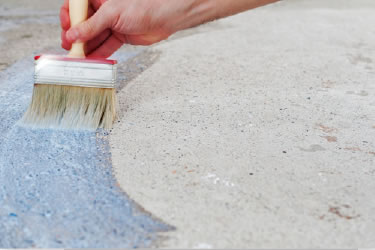
When trying to improve the appearance and sturdiness of their floors, individuals and businesses frequently choose floor paint. Whether you’re redecorating your house, your garage, or your business space, utilizing the appropriate kind of paint is essential to getting a long-lasting, stunning result. We will go over the advantages of utilizing the paint, the various varieties that are available, and how to apply it for the best results in this blog post.
Benefits of Floor Paint:
Both homes and businesses find floor paint to be a desirable alternative thanks to its many advantages. First off, it can significantly improve the aesthetic of your floors, giving them a crisp, contemporary appearance that is guaranteed to wow. Second, it offers a barrier of defence against the daily abuse that floors endure from foot traffic, spills, and other hazards. Furthermore, the paint can aid in preventing moisture intrusion, which can promote the growth of mould and mildew, particularly in spaces like basements and garages.
Different types of floor paint are available, each with a different set of benefits and things to take into account. Some of the most typical varieties are listed below:
- Epoxy Floor Paint: Epoxy floor paint is a tough, resilient material that resists stains, solvents, and abrasions. Due to its potent odour when applied, it may not be as ideal for home use as it is for high-traffic locations like garages and commercial buildings.
- Water-based latex floor paint is an alternative that is simple to use and dries quickly. It is a fantastic option for low-traffic areas like bedrooms and living rooms because it can be used both indoors and outdoors.
- Oil-based Floor Paint: This long-lasting alternative is impervious to dampness, stains, and scratches. It is a great option for areas with a lot of traffic, such as kitchens and hallways, but it may take longer to dry and release strong smells when applied.
Applying floor paint is a simple technique that can be carried out with a few simple instruments and little preliminary work. The steps are as follows:
Clean the surface well to get rid of any debris, grease, or other impurities before you start painting. Any holes or cracks in the surface should be filled with an appropriate filler before allowing it to fully dry.
Applying a suitable primer to the surface will increase adhesion and guarantee a smooth finish. Follow the manufacturer’s instructions and let the primer dry completely.
Apply the paint in even strokes while working in small parts, either with a roller or a brush. For the best coverage, avoid packing the brush or roller with too much paint and use several thin layers as needed. Before applying the next coat, let the previous one completely dry.
Allow to Dry: After the final coat of paint has been applied, give it time to fully dry before using the area or putting anything on it. Depending on the paint, the temperature, and the humidity of the surrounding area, this could take a few hours to a few days.
In conclusion, floor paint is a flexible and useful choice for boosting the look and sturdiness of your floors. You can achieve a long-lasting, beautiful surface that will withstand regular wear and tear by picking the right kind of floor paint and adhering to the right application procedures. Floor paint is a fantastic option for making your flooring into a magnificent centrepiece, whether you are redecorating your house, your garage, or your commercial area.
