

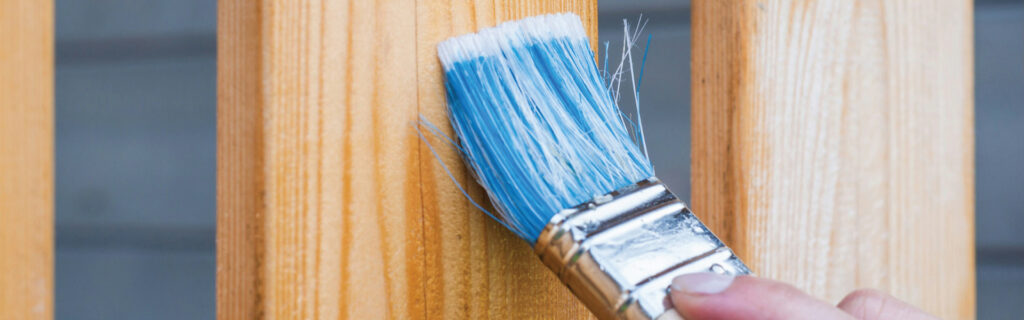
Damp issues can be frustrating for any homeowner. Peeling paint, musty odours, or black blotches on walls are more than simply an eyesore; they indicate that moisture has found its way into your home. Damp resistant paint is one of the simplest and most effective solutions for small damp difficulties. This tutorial will explain what it is, how it works, and the best methods to use it.
What Is Damp-Proof Paint?
Damp proof paint is a carefully developed layer that prevents moisture infiltration. Unlike normal paints, it forms a barrier that keeps water from penetrating the wall surface. This makes it especially beneficial in moist settings, such as:
- Basements and Cellars
- Kitchens and Bathrooms
- Exterior walls exposed to severe rain.
- Garages and Utility Rooms
It can be applied to both interior and outdoor walls, depending on the product type.
How Does Damp-Proof Paint Work?
Damp proof paints function in two ways:
- Moisture Barrier – They create a waterproof or water-resistant layer on the wall’s surface that prevents moisture from getting through.
- Breathable Technology – Some current formulations still allow stored moisture within the wall to escape, which helps to prevent mould formation.
- This dual action allows you to defend against damp without sealing in existing moisture—as long as the wall is adequately prepped before painting.
Benefits of Damp Proof Paint
1. Protects against moisture damage
Damp proof paint helps to prevent peeling paint, plaster damage, and wall stains caused by water penetration.
2. Lowers Mould and Mildew Risk
Keeping surfaces dry makes it difficult for mould spores to thrive.
3. Long-lasting Protection
A high-quality damp-proof paint can persist for years without the need for frequent touch-ups.
4. Versatility
It is available in a variety of finishes and colours and can be used for both ornamental and protective purposes.
Where to Use Dampproof Paint
Damp-proof paint is perfect for:
- Bathroom ceilings and other interior walls are examples of condensation-prone surfaces.
- Exterior walls exposed to prevailing winds or heavy rain.
- Basements where ground moisture can seep in.
- Kitchens with high humidity.
It is not a substitute for repairing serious damp concerns such as broken guttering, rising damp, or damaged external render; these must be addressed before applying paint.
How to Apply Damp-Proof Paint
Applying damp proof paint is comparable to painting with regular emulsion, but preparation is essential.
Step 1: Identify and Fix the Damp Source
Painting over active leaks or structural moisture will only provide a temporary solution. Before you begin, make any necessary repairs to broken pipes, gutters, or cracks.
Step 2: Prepare the Wall
Remove the loose paint and flaking plaster.
Apply an antifungal treatment to any mould.
Let the wall dry completely.
Step 3: Apply a Primer (If Required)
Some moisture resistant paints require a primer to perform well, particularly on exposed plaster or brick.

Step 4: Apply the Damp Proof Paint
Use a brush or roller to achieve equal covering.
To ensure optimal protection, apply at least two coats.
Follow the manufacturer’s recommended drying time.
Step 5: Finish with a decorative coat
If your chosen damp proof paint does not come in your intended colour, you can paint over it with ordinary emulsion once it has dried.
Avoid common mistakes, such as skipping wall preparation. Painting over damp patches without washing or drying them will cause the problem to reoccur.
Ignoring structural issues: Damp proof paint will not repair broken waterproofing or significant leaks.
Using the incorrect type – Interior damp-proof paint may not endure outdoor weathering.
FAQs for Damp Proof Paint
Q: Can damp-proof paint prevent growing dampness?
A: No. Rising damp is caused by moisture rising through walls from the ground. It necessitates a good damp proof course installation or repair.
Q. How long does damp proof paint last?
A: Depending on the quality and location, it can endure anywhere from three to fifteen years. Exterior treatments usually require re-coating sooner.
Q: Can it be used over wallpaper?
A: This is not encouraged. Wallpaper holds moisture and might peel when painted. Always remove wallpaper before applying damp-proof paint.
Q: Is it safe to use in the bathroom?
A: Yes, if the product is marked for internal usage in high-humidity conditions. Some are also mold-resistant, providing further protection.
Q: Can damp proof paint be painted over with regular emulsion?
A: Yes, but make sure the damp proof paint is completely cured first to avoid adhesion concerns.
Final Thoughts on Damp Proof Paint
Damp-proof paint is an effective preventative treatment for moisture-prone areas, but it is not a cure-all for damp problems. Consider it part of a larger maintenance strategy, beginning with finding the source of dampness, repairing it, and then safeguarding the walls from further moisture damage.
When used appropriately, it not only keeps your walls looking good but also contributes to the health and structural integrity of your home.
Contact Paintcor for more information.
See also:
Transform Your Space with Textured Wall Paint
Concrete Floor Paint in South Africa: Durable, Stylish & Affordable