


Wood has always been valued because of its inherent beauty, warmth, and versatility. Whether it’s for furniture, flooring, or decorative pieces, the right finish is essential for maintaining their appearance and adding charm. One of the most popular methods is to apply wood varnish, which not only protects the wood but also highlights its natural texture and colour. Choosing the right wood varnish colour can completely transform a room and highlight the beauty of your wooden surfaces.
Understanding Wood Varnish Colours
Wood varnish comes in a range of colours, each capable of producing a distinct look. The colour of varnish might be translucent, allowing the wood’s natural hue to shine, or tinted to provide a warmer or darker tone. Some popular varnish colours include:
- Clear Varnish: Maintains the wood’s natural beauty while providing protection. Ideal for displaying fine wood grain.
- Light Brown/Golden: Provides warmth and richness without significantly altering the wood’s original colour. Ideal for oak, pine, and maple.
- Medium Brown: Deepens the wood tone for a traditional and timeless look. Combines well with cherry or walnut.
- Dark Brown: Provides a sumptuous, sophisticated appearance; commonly used with mahogany or darker hardwoods.
- Red or Mahogany Tint: Highlights reddish undertones in the wood and provides a bold, sophisticated finish.
- Grey or whitewash: Provides a sleek, subdued look for contemporary interiors.
The type of wood, the lighting in the room, and the overall interior design all factor into selecting the right colour.
Factors to Consider When Selecting a Varnish Colour
Choosing the ideal varnish shade is more than just personal preference; various elements influence the end result:
- Wood Type: Each wood absorbs stains and varnishes differently. Softwoods, such as pine, typically appear lighter, whereas hardwoods, such as oak or mahogany, can take on darker tones.
- Lighting: Both natural and artificial light can have a significant impact on how a varnish hue appears in your area. Always test samples under the actual room lighting.
- Room Style: The colour should complement the overall decor. Dark varnishes suit traditional settings, while lighter shades fit modern, minimalist interiors.
- Existing Furniture and Flooring: Consider how the varnish colour will complement the existing wooden items in the room.
- Maintenance: Darker varnishes may show scratches and dust more easily than lighter colours.
Popular Wood Varnish Colour Trends
In recent years, interior design trends have influenced wood varnish choices:
- Natural and Clear Finishes: Clear varnishes are becoming increasingly popular because they highlight the wood’s natural beauty. This approach highlights texture and grain without overpowering the décor.
- Warm Tones: Golden and honey shades create inviting, cosy environments, making them popular in living rooms and bedrooms.
- Dark Elegance: Luxury furniture and statement pieces often feature dark brown or espresso finishes, which add sophistication to modern interiors.
- Grey and Weathered Effects: These finishes resemble reclaimed wood and are popular in rustic or industrial-style homes.
Applying Varnish to Get the Best Colour
To create a consistent and vibrant colour:
- Preparation: Sand the wood thoroughly to remove any old finishes and achieve a smooth surface.
- Conditioning: Use a wood conditioner on softwoods to prevent blotchiness.
- Test Samples: Always apply the varnish to a small, hidden area to preview the colour.
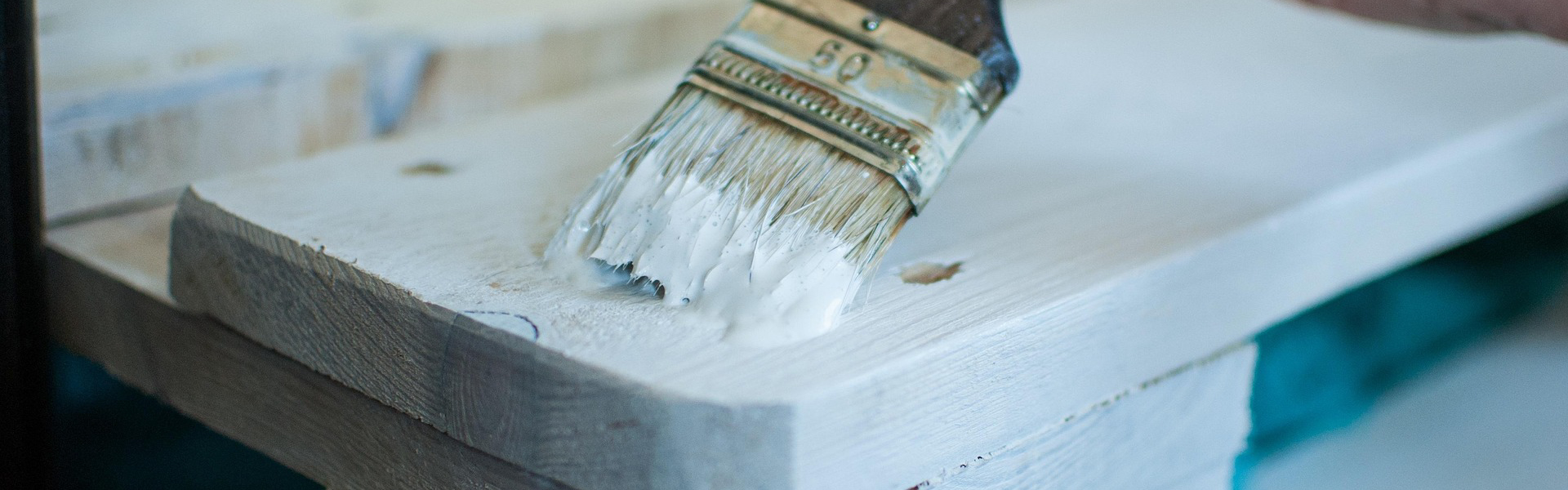
- Application: Use a high-quality brush or cloth for even coverage. Multiple thin coats often provide better results than one thick layer.
- Drying and Polishing: Allow adequate drying time between coats and lightly sand for a smooth finish if needed.
FAQs About Wood Varnish Colours
Q1: Can I mix varnish colours to create a custom shade?
Yes, mixing varnish colours is possible, but always test on scrap wood first to ensure the desired outcome.
Q2: Does varnish change the wood colour over time?
Some varnishes may slightly darken wood as they cure, especially oil-based options.
Q3: Is it better to choose a clear or tinted varnish?
Clear varnish is ideal for showcasing natural wood, while tinted varnish enhances or changes the wood tone to match your décor.
Q4: How many coats of varnish are recommended?
Typically, two to three coats provide good protection and even colour, but follow the manufacturer’s instructions for best results.
Q5: Can I change the varnish colour later?
Yes, but it requires sanding off the old finish and reapplying a new tinted or clear varnish.
Conclusion
Wood varnish colours play a vital role in both the aesthetics and protection of wooden surfaces. From clear finishes that highlight natural grain to rich dark tones that add sophistication, there is a varnish shade for every taste and décor style. By understanding wood types, lighting, and the overall interior design, you can choose a varnish colour that enhances your space while safeguarding your investment. With careful preparation, testing, and application, your wooden furniture and floors will enjoy lasting beauty and charm.
Contact Paintcor for more information.
See also: